
Subsidence help in Croydon
Subsidence survey in Croydon: what happens
Describe the cracks or sticking doors you have noticed. A specialist firm will arrange a visit to your home at no cost to you, so you find out what the movement means before deciding on any work.
What they check
What a foundation inspection in Croydon covers

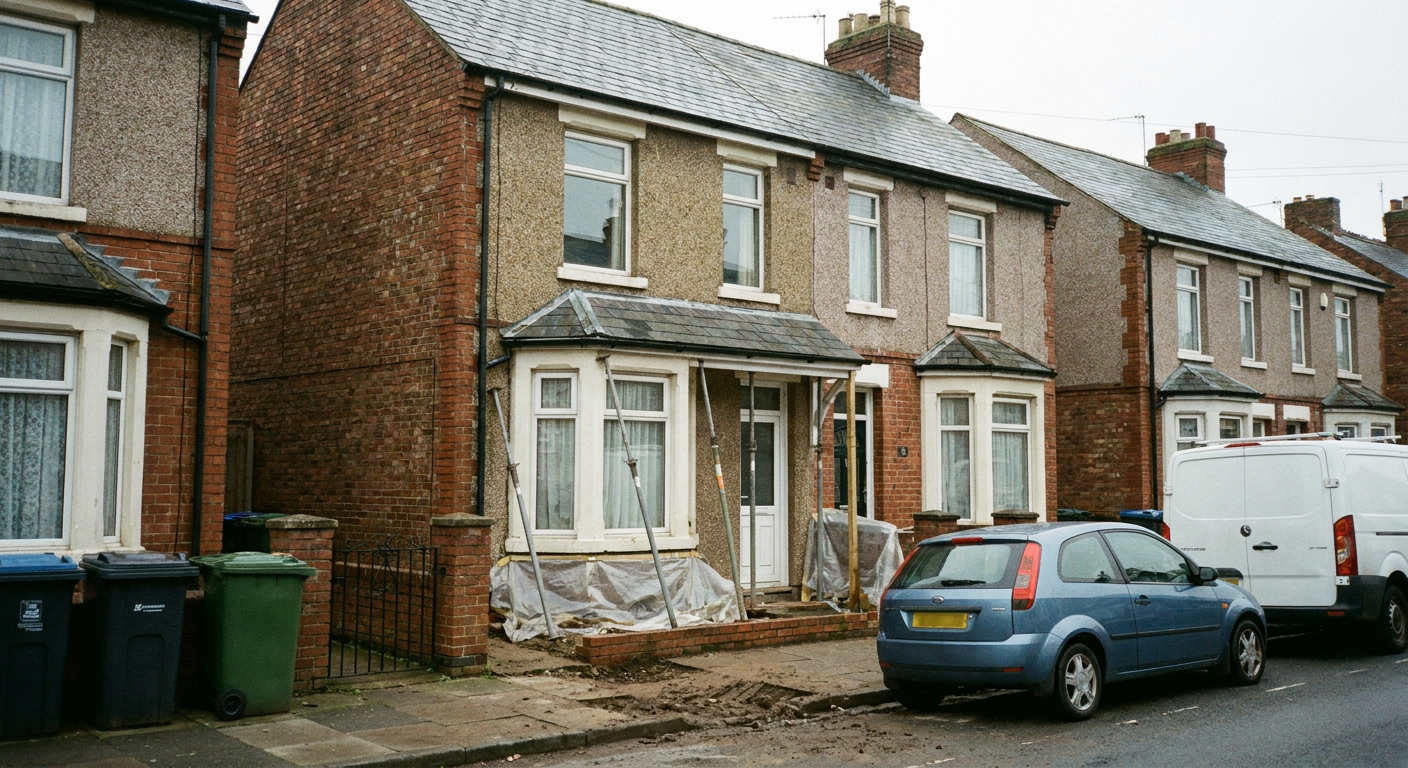
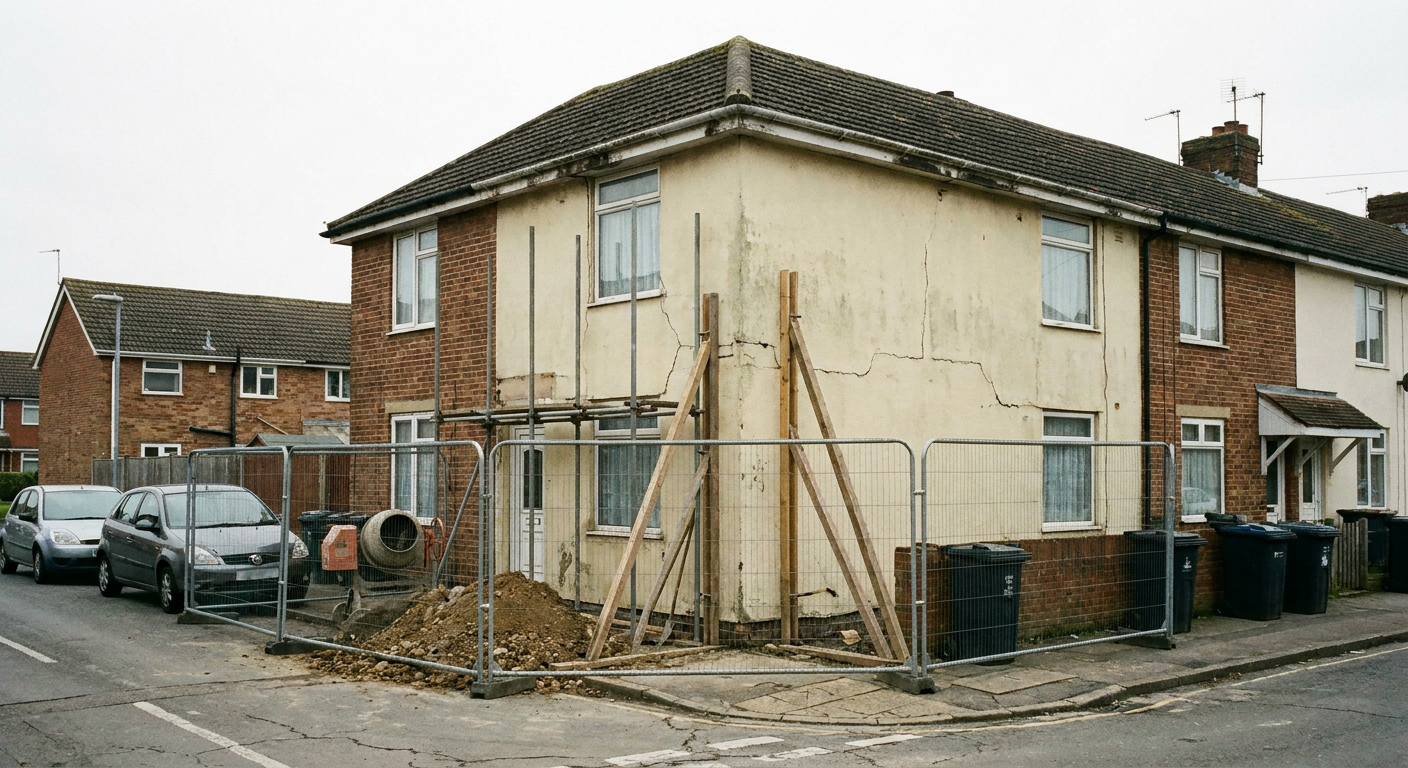
Visual inspection inside and out
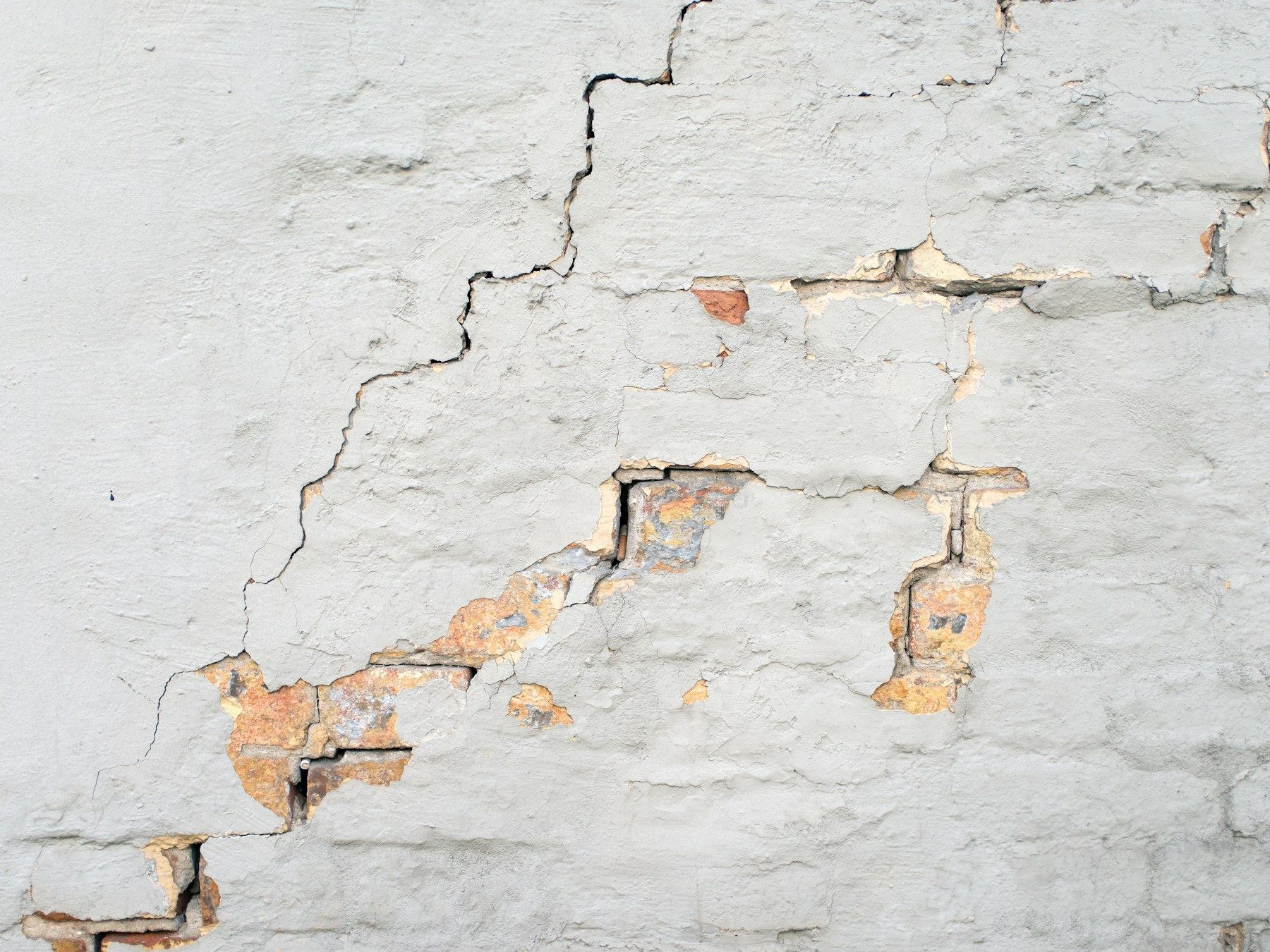
The specialist walks through every room and around the outside walls, mapping cracks, checking where doors stick in frames and noting sloping floors that point to foundation movement.
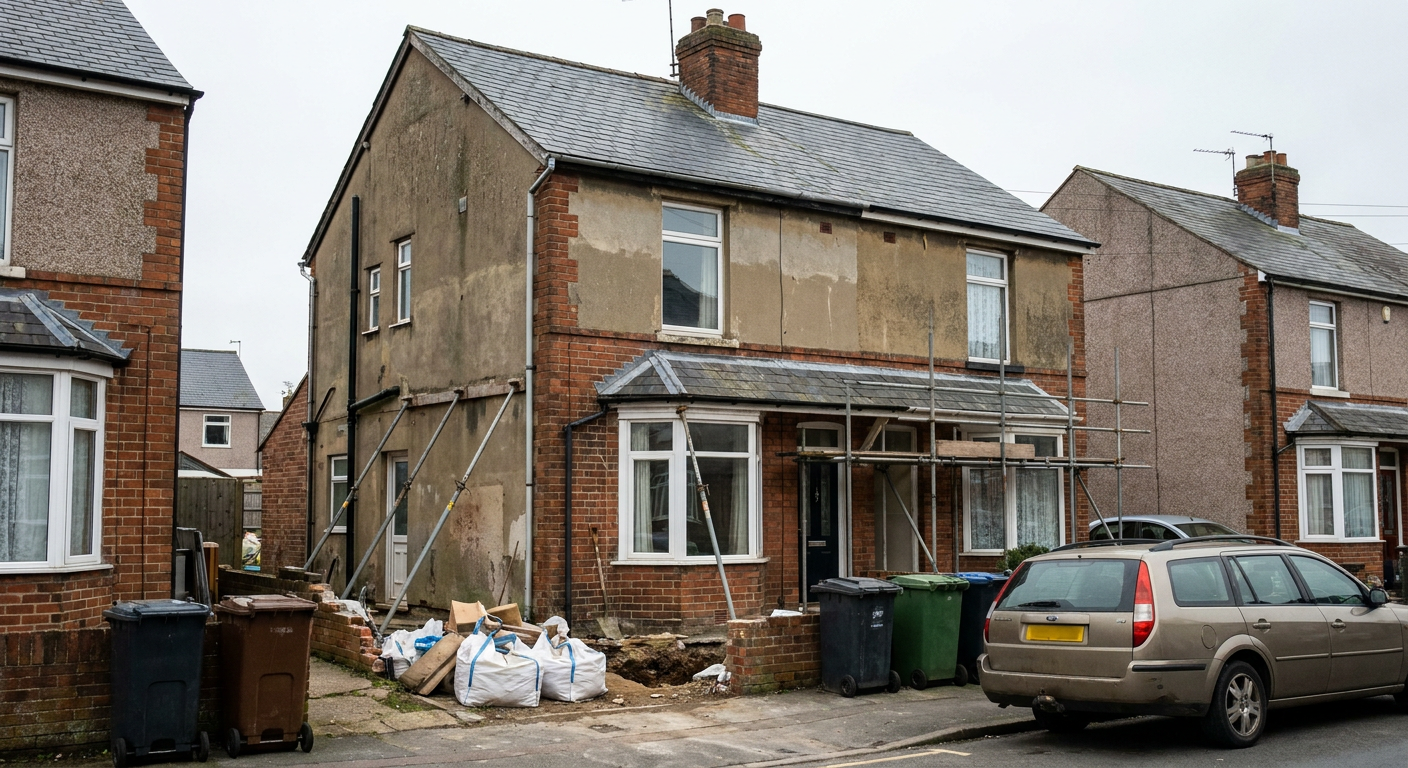
Level monitoring house cracks
Glass tell-tales or digital gauges are fixed across cracks to record whether they are still widening. This level monitoring house cracks data shows if movement is active or has stopped.

Drainage CCTV survey in Croydon
A camera is fed into the drains beneath and beside the home. A leaking drain causing subsidence washes soil away from foundations, so finding a broken pipe early changes the repair plan.

Borehole sampling and soil tests
Where London clay sits under the house, boreholes reveal its moisture content and depth. This soil investigation house movement step proves whether shrinkage or a void is driving the problem.
Crack monitoring survey Croydon
Repeated visits over weeks or months build a picture of seasonal change. A crack monitoring survey Croydon specialist uses these readings to separate harmless settlement from ongoing subsidence.

Tree root and vegetation checks
Roots from nearby trees draw water from clay soil, causing it to shrink. The specialist measures distances between trunks and walls to judge whether vegetation is pulling the ground down.
How the findings shape the repair plan
Once the evidence is gathered, the specialist writes a structural report cracked walls document. It sets out whether resin injection, screw piling or traditional underpinning in Croydon suits the ground conditions beneath your home.
If the problem is confined to one corner, such as a bay window or extension, the repair might only need localised concrete cracking work rather than stabilising the entire perimeter of the house.
The written findings travel with you. Insurers rely on them to process a buildings insurance claim, and solicitors use them when you are buying a house with cracks or selling one.
Should the data show the movement has already stopped, the recommendation may simply be cosmetic repair and periodic observation, saving you the cost and disruption of heavy groundworks.
Typical costs for subsidence work, not a quote
Prices vary because every home sits on different ground. Depth of clay, severity of cracking, access for machinery and whether drains need relining all shift a job within its range. Only a site inspection pins down a figure for your specific home.
-
£250 to £600
Length of run and number of access points the camera needs to reach beneath the house.
-
Crack monitoring setup
£400 to £900
Number of gauges fitted and how many return visits are needed to read them.
-
Resin injection repair
£1,500 to £5,000
Volume of resin required and how deep the affected soil layer sits below the footing.
-
Screw piling support
£3,000 to £8,000
Number of piles driven and the load each section of wall places on the new foundations.
-
Underpinning a wall section
£5,000 to £15,000
Length of wall excavated, depth of new concrete and whether internal floors must be lifted.
These figures indicate what work of this type typically costs. Nothing here is a quotation. Only an on-site inspection by a specialist firm can settle a price for your home.
What you receive after the visit
The specialist records measurements, photographs and soil data, then applies professional judgement to produce documents you can hand directly to insurers, solicitors or contractors without needing further interpretation.
Written structural report
Details every crack, its width and direction, alongside the diagnosed cause and recommended next steps for your home.
Monitoring schedule
Sets out dates for return visits and explains what gauge readings need to show before repair work should begin.
Soil and drain findings
Summarises borehole results and camera footage, proving whether clay shrinkage or a leaking pipe is moving the ground.
Repair specification
Names the exact method required, such as resin injection or underpinning, so contractors can price the work accurately.
Questions homeowners ask before booking
These are the things people want to know when they notice cracks and wonder whether to call someone out to their home.
- What does the specialist look at?
- They examine interior and exterior walls, measure crack widths, check door and window frames for distortion, inspect drains and assess nearby trees for root influence on the soil.
- How long does monitoring take?
- Level monitoring usually runs for three to six months. This period captures seasonal moisture changes in the clay, showing whether cracks are still opening or have stabilised naturally.
- What do boreholes add?
- A visual check cannot see below the surface. Borehole sampling reveals soil type, moisture levels and the depth of firm ground, confirming whether shrinkage or a void causes movement.
- Do they need inside access?
- Yes. The specialist must see internal walls, floor levels and skirting gaps, as well as external brickwork, drains and garden areas where roots might reach the foundations.
- Can I use the report to sell?
- A structural report cracked walls document satisfies mortgage lenders and buyers. It also supports a buildings insurance claim, since adjusters require documented proof of cause and extent.
- Who arranges the repairs?
- The specialist firm that carries out the survey can handle the work, or you can pass the specification to another contractor. You choose who does the building work.
Tell us what you have noticed
Send details of the cracks or movement in your home. A specialist firm will review them and contact you to arrange a visit. There is no charge for this enquiry and no obligation to proceed.
- No fee to enquire
- Visit your home
- No obligation