Croydon homes
Subsidence questions answered
Find out what the crack in your wall means and who handles the work. Describe what you have noticed and a specialist firm will review it. There is no charge for asking.
Subsidence questions answered for Croydon homeowners
Telling subsidence from normal settlement
A crack in a wall of a Croydon house does not always mean the ground is moving beneath it. New buildings settle as the weight compresses the soil, and older homes shift slightly with the seasons. Settlement cracks tend to be thin, follow mortar lines, and stay roughly the same width over time.
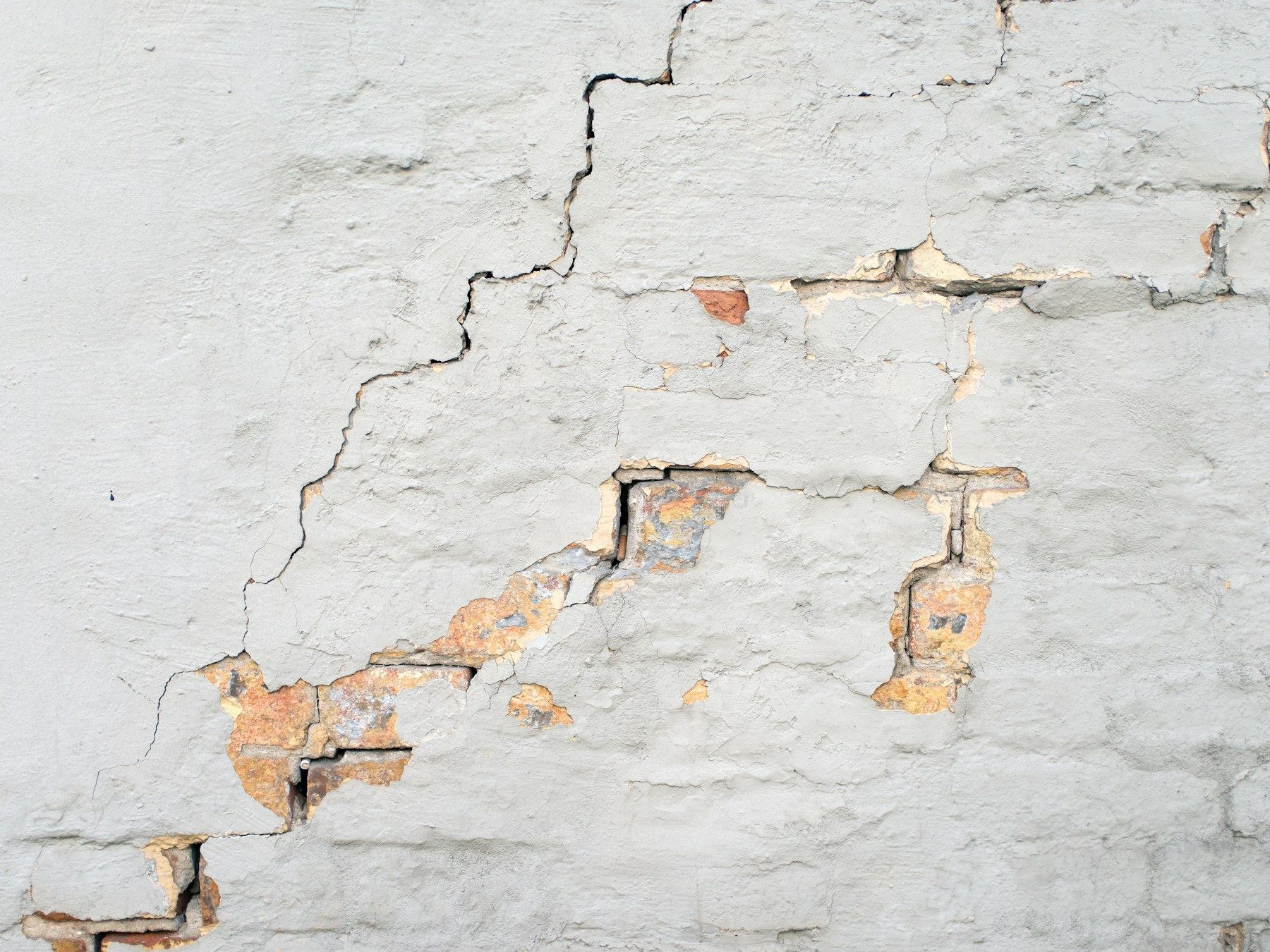
Subsidence behaves differently. The crack usually widens at one end, appears suddenly or grows noticeably over weeks, and often runs diagonally through bricks rather than along joints. A common place to look is above a bay window on a semi-detached house, where the lighter extension meets the heavier main structure. If the gap opens and closes with the weather, clay shrinkage might be involved. London clay under much of Croydon swells when wet and shrinks when dry, pulling foundations unevenly.
The only way to separate a subsidence or settlement crack with certainty is through monitoring. A specialist fixes small gauges across the gap and records changes over several months. That data shows whether the movement is ongoing or historic.
Insurers, claims and who pays for investigation
People often wonder if they should tell their insurer before getting anyone out to look at the house. Most buildings policies require you to report suspected subsidence promptly. Delaying can complicate a subsidence insurance claim in Croydon later, since the insurer may argue the damage worsened while you waited.
Once notified, the insurer usually appoints a loss adjuster and instructs a structural engineer or surveyor. The policy typically covers the cost of that investigation work, so you are not paying out of pocket to find out what causes houses to sink. Excess fees apply as stated in your documents.
If the cause turns out to be something excluded from the policy, such as a pre-existing defect, the position changes. But the initial assessment is normally part of the cover. Keep copies of every letter and photograph the crack regularly while you wait.
Timelines, living at home and selling later
From reporting a crack to knowing what is causing it usually takes several months. Monitoring requires readings across different seasons because clay movement depends on moisture levels. A full cycle often runs between six and twelve months before the engineer has enough data to confirm the cause and recommend repair.
During that period you can almost always keep living in the house. Monitoring involves small gauges fixed to walls, and even repair methods like resin injection or screw piling are designed to proceed with occupants in place. Only severe cases require temporary relocation, and the insurer arranges that.
A subsidence claim does appear in the property history. Future buyers will see it during conveyancing, but a repaired and monitored house with a certificate of structural adequacy sells routinely. The presence of completed work often reassures lenders more than an unexplained crack would.
What to do right now while you wait
If you suspect your house is subsiding, start by recording what you see. Photograph every crack with a coin or ruler beside it for scale. Note the date. Repeat this monthly so you build a timeline of change.
Check doors and windows in the affected rooms. If they stick in their frames or leave uneven gaps, write down which ones and when it started. Sloping floors can be tested by placing a marble on the surface and watching which way it rolls.
Avoid digging near the walls or changing drainage arrangements until a specialist has inspected the site. Well-meaning alterations can disturb the ground further. If you are unsure who to call about subsidence, describe the signs here and a specialist firm will review them and advise on next steps.
Is my house subsiding or just settling?
Ground movement shows itself gradually. Cracks open, doors catch on frames, and floors lose their level. These signs point toward subsidence, but seasonal changes and normal ageing produce similar marks. Knowing what to look for helps you decide what to do next.
- 1
Diagonal cracks wider at the top
Gaps running at an angle through brickwork, broader at one end, often suggest foundation movement rather than surface plaster drying out.

- 2
Doors catching on frames
Internal or external doors that scrape or jam where they previously closed freely can indicate the frame has shifted out of square.
- 3
Floors sloping to one side
A noticeable tilt underfoot, or objects rolling across a room, sometimes points to uneven support beneath the floor slab.
- 4
Cracks reopening after repair
Plaster filled and painted over that splits again along the same line suggests the underlying movement has not stopped.
Typical costs for subsidence repair work
Prices vary because every home sits on different ground and the damage differs in scale. Access, depth of foundations, and the chosen method all move a job within these ranges. Only a site inspection produces a figure for your specific situation.
-
Drain CCTV survey
£180 to £450
Length of pipework and number of access points the camera must reach.
-
Resin injection
£1,500 to £6,000
Volume of void beneath the footing and how many injection points are needed.
-
£2,500 to £8,000
Depth required to reach stable ground and the load each pile must carry.
-
Traditional underpinning
£5,000 to £15,000
Length of wall being supported and how deep the new concrete must go.
-
Concrete floor repair
£1,200 to £4,500
Area of the slab affected and whether reinforcement needs replacing.
These figures indicate what work of this type typically costs. Nothing here is a quotation. Only an inspection settles a price for one home.
Ask a specialist firm about your home
Send a description of what you have noticed. A specialist firm will read it and explain whether the signs warrant an inspection. This does not commit you to any work or cost.
- No obligation
- Free to ask
- Local specialists