
Screw piling in Croydon
Screw piling underpinning for Croydon homes
Describe the movement you have noticed and find out if screw piling underpinning suits your home. A specialist will review what you send and advise on next steps, without charging you for the enquiry.
Talk to someone about your home Read about repair methods first
Foundation repair methods in Croydon
Each method suits different ground conditions and types of movement. A specialist will recommend one after examining your home and its soil, so you know what is actually required before any work begins.
-

Subsidence Help
A specialist surveys the damage at your home, identifies the cause of movement and writes a report detailing what needs to happen next.
-

Underpinning
A structural contractor excavates beneath the existing foundations and pours new concrete to stabilise walls that have moved beyond safe limits.
-
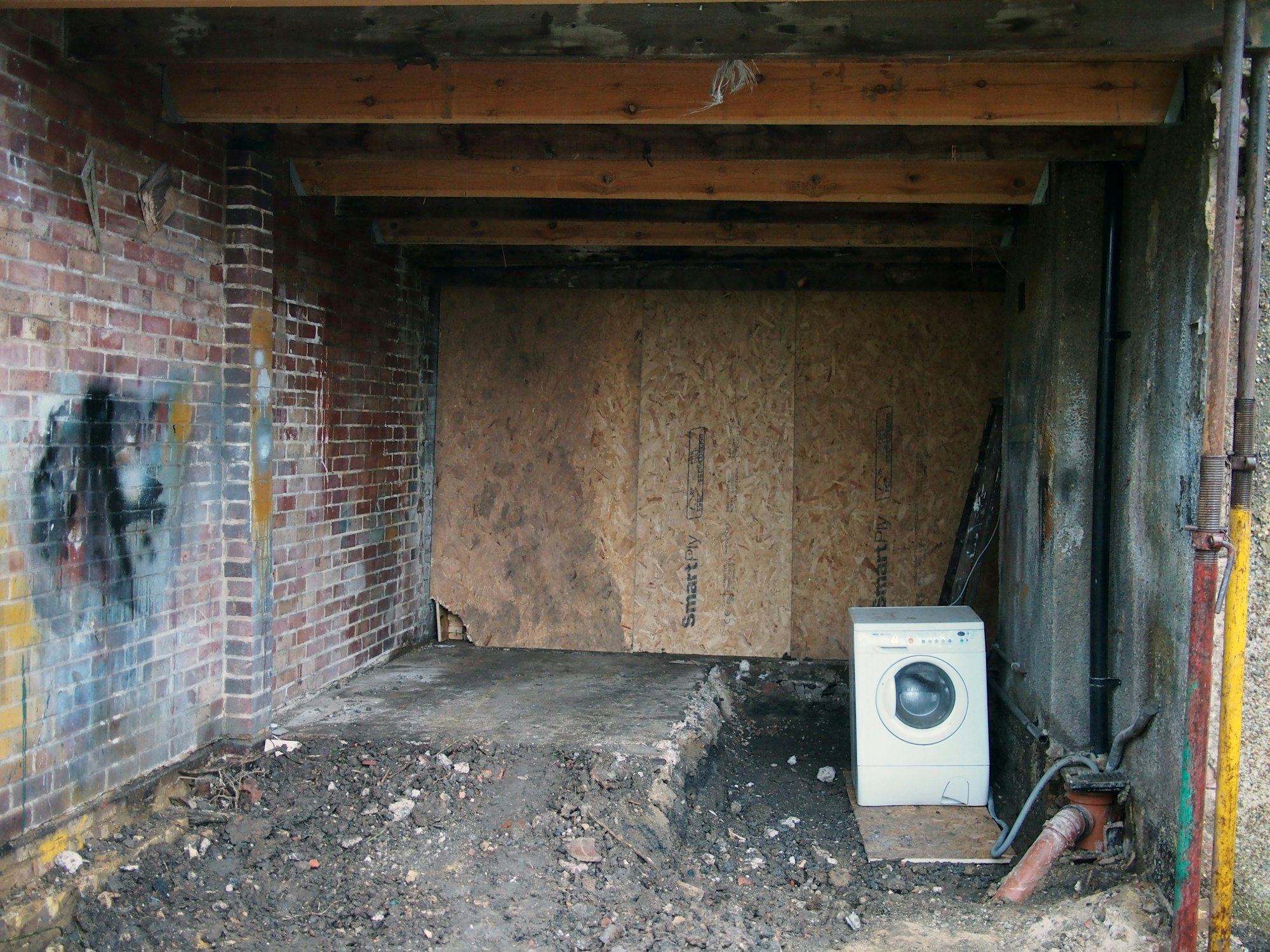
Resin Injection
A technician injects expanding resin into the ground below shallow foundations to fill voids and compact loose soil without heavy digging.
-
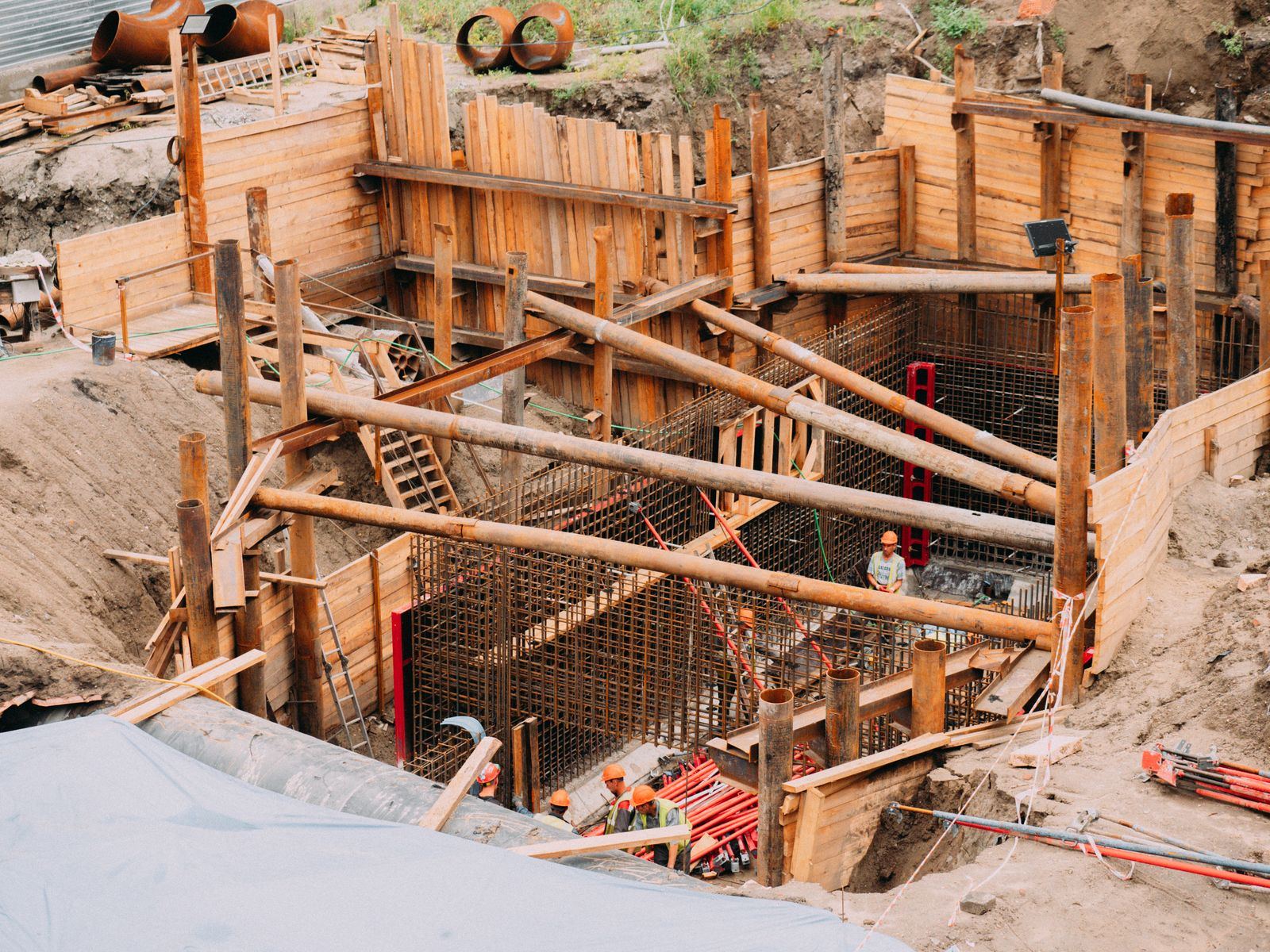
Concrete Cracking
A repair firm assesses cracked concrete floors or slabs, determines whether movement is ongoing and applies the right structural fix.
-
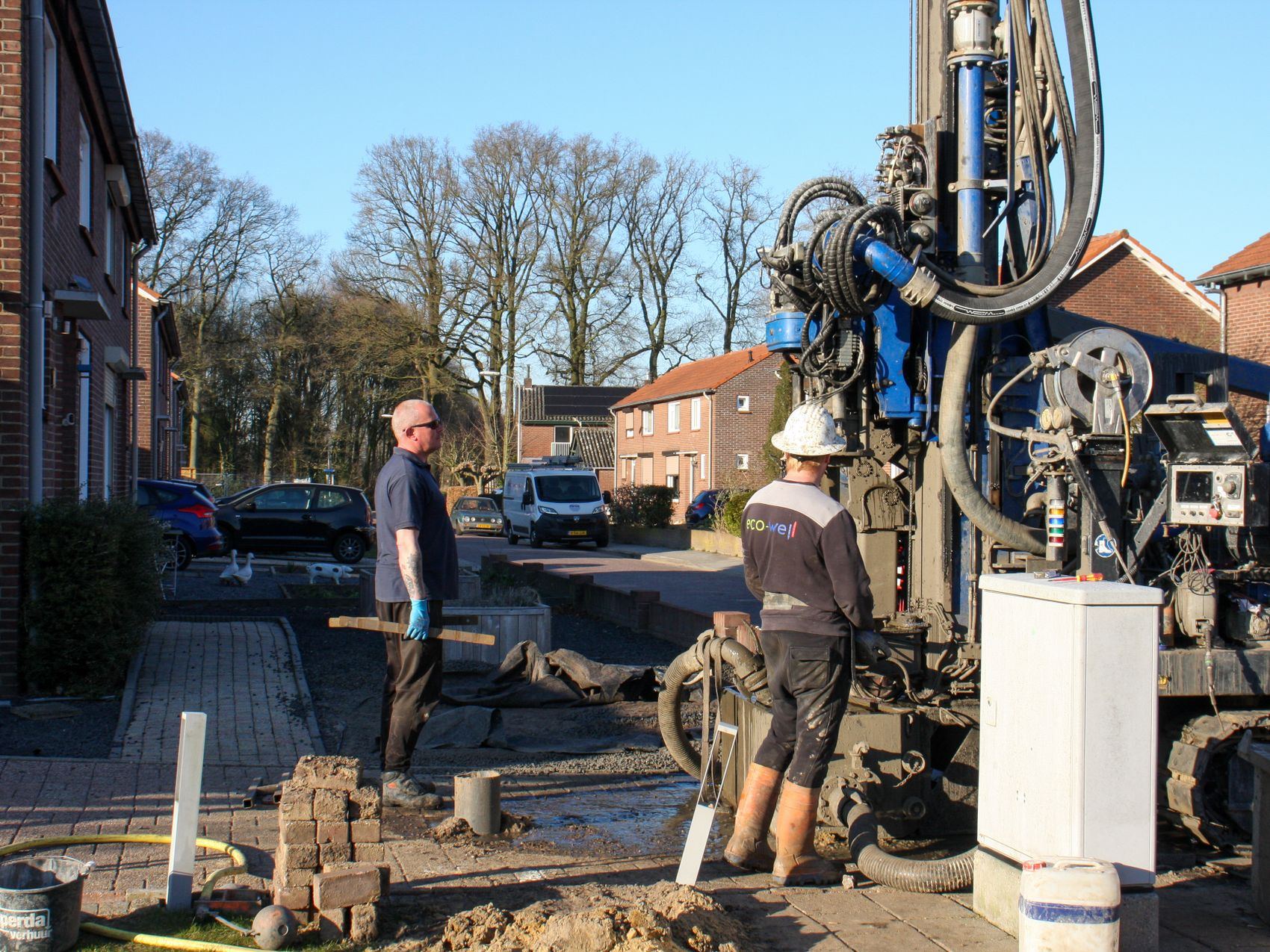
Drain CCTV Survey
A drainage engineer sends a camera through underground pipes to find leaks or collapses that might be washing soil away from foundations.
When foundations need deeper support
Shallow footings sometimes rest on soil that shrinks, washes away or compresses under the weight of a house. When that happens, the load must be transferred to firmer strata below. Screw piling achieves this by driving steel shafts deep into stable ground.
- 1
Diagonal cracks near corners
Cracks wider at the top than the bottom often point to one section of footing sinking lower than the rest of the wall.

- 2
Doors jamming in frames
A door that suddenly sticks or leaves uneven gaps around its frame can mean the surrounding brickwork has shifted out of square.

- 3
Gaps below skirting boards
A visible gap between the floor and the skirting suggests the floor slab has dropped or the wall above it has lifted slightly.

- 4
Extensions pulling away
A crack running vertically where an extension joins the main house usually means the newer section is settling faster than the older one.

What you do and what the specialist does
Most of the effort falls on the contractor. You describe the problem and provide access. The specialist handles the investigation, design and installation of the piles.
Your part
- Note where cracks appear and how wide they are over a few weeks
- Clear a path to the affected wall so equipment can reach it
- Tell neighbours about the planned dates if you share a party wall
The specialist's part
- Run a pile depth soil test to locate competent bearing strata
- Design the helical pile repair layout and specify shaft lengths
- Drive the mini screw piles using low-vibration hydraulic rigs
- Attach brackets to transfer the wall load onto the new piles
- Monitor settlement gauges to confirm movement has stopped
How this service works
This site takes enquiries from homeowners worried about ground movement. Separate specialist firms carry out the actual investigations and repairs on their own account. Each firm quotes and contracts directly with you.
- Enquiries are taken here; separate firms do all physical work
- No obligation to proceed once you have read the advice given
- Specialists set their own prices and terms directly with you
- Every firm operates independently and holds its own insurance
Screw piling questions answered
- Load transfer to firmer ground
- Mini screw piles carry load down to firmer ground by threading a steel shaft through weak soil until the helix plates bite into a stable layer, such as chalk or dense gravel, which then supports the house.
- Working in narrow terraced plots
- Piled underpinning for a terraced house is possible even with only side access. Specialists use mini piling tight access rigs small enough to fit through standard pedestrian gates and operate inside confined rear yards.
- Disruption compared to mass concrete
- Screw pile foundations for a house act as an alternative to underpinning because they require no large open trenches. The specialist drives them hydraulically, producing far less spoil and noise than traditional mass concrete pours.
- Measurements before pile depths are set
- Before deciding on pile depths, the specialist drills trial bores and runs a pile depth soil test to map where soft clay ends and load-bearing strata begin, ensuring each shaft reaches adequate resistance.
- Depth on Croydon chalk or clay
- On London Clay or chalk ground in Croydon, piles typically need to reach between four and eight metres. The exact depth depends on borehole results and the weight the wall transfers to each pile position.
- Vibration risk to plaster and neighbours
- Hydraulic screw piling rigs generate torque rather than impact vibration. This makes the method suitable for party walls, though the specialist will still check plaster condition beforehand and monitor during installation.
Ask about screw piling for your home
Send details of the movement you have noticed. A specialist will read what you write and advise whether screw piling suits your situation. There is no fee for the initial enquiry and no obligation to book work.
- No charge to enquire
- No obligation to proceed
- Direct specialist advice