Croydon homes
Making a subsidence insurance claim on your buildings cover
Find out whether your policy covers ground movement, what the excess looks like and when to speak to your insurer. An enquiry here costs nothing and carries no obligation.
Checking if subsidence is covered by buildings insurance
Most standard buildings insurance policies in the UK include cover for subsidence, heave and landslip. The wording varies between insurers, so read your own policy documents before assuming anything. Look for the section on ground movement or structural damage.
In Croydon, where London clay sits beneath many streets from Addiscombe to Sanderstead, insurers expect a certain level of seasonal movement. They distinguish between minor shrinkage that causes hairline cracks and genuine structural movement that threatens the building. A subsidence insurance claim usually requires evidence that the damage goes beyond cosmetic plaster cracking.
If you are unsure whether subsidence is covered by your buildings insurance policy, check the definitions page of your certificate. Some policies exclude damage caused by poor construction or normal settlement. Others require the home to have been continuously occupied. Reading the small print now saves arguments later.
The excess amount on a subsidence claim
Subsidence claims carry a higher excess than most other parts of a buildings policy. Where a standard escape of water claim might have a two hundred pound excess, the subsidence excess amount is often set at one thousand pounds or more. Insurers price it this way because ground movement investigations are expensive and they want to discourage claims for trivial cracking.
You pay this excess once per event, not per visit. If the loss adjuster subsidence visit leads to months of monitoring, you still only pay the single excess when the claim settles. Ask your insurer for the exact figure before you proceed, because some policies set it even higher for homes in known clay areas.
Budget for this cost early. It comes out of any final settlement, so factor it into your thinking before you decide whether the damage justifies opening a claim at all.
Calling your insurer before commissioning a report
Homeowners often wonder whether to call their insurer before or after getting an independent survey. Most policies require you to notify them as soon as you suspect structural damage. Delaying that call can give the insurer grounds to argue you made the problem worse by waiting.
Ring your insurer first and explain what you have seen. They will usually appoint a loss adjuster to arrange a loss adjuster subsidence visit within a few weeks. You do not need to wait for that appointment to seek your own advice, but the insurer must know about the suspected damage promptly.
A specialist surveyor can still inspect your home independently and produce a detailed report. You may choose to send that own engineer report to the insurer to support your position, especially if you feel their initial assessment missed something. Having your own document gives you a basis for discussion rather than relying entirely on theirs.
Choosing your own engineer and contractor
Insurers typically appoint their own engineers and contractors to investigate and repair subsidence. You can ask whether you are allowed to choose your own engineer and contractor rather than the insurer's preferred firms. Some policies permit it, provided the person you select holds the right qualifications and the insurer agrees to the scope and cost beforehand.
In practice, insurers push hard to use their panel firms because they control the pricing. If you prefer an independent structural engineer to write the specification, tell the loss adjuster early. Once work starts under the insurer's chosen contractor, changing direction becomes difficult.
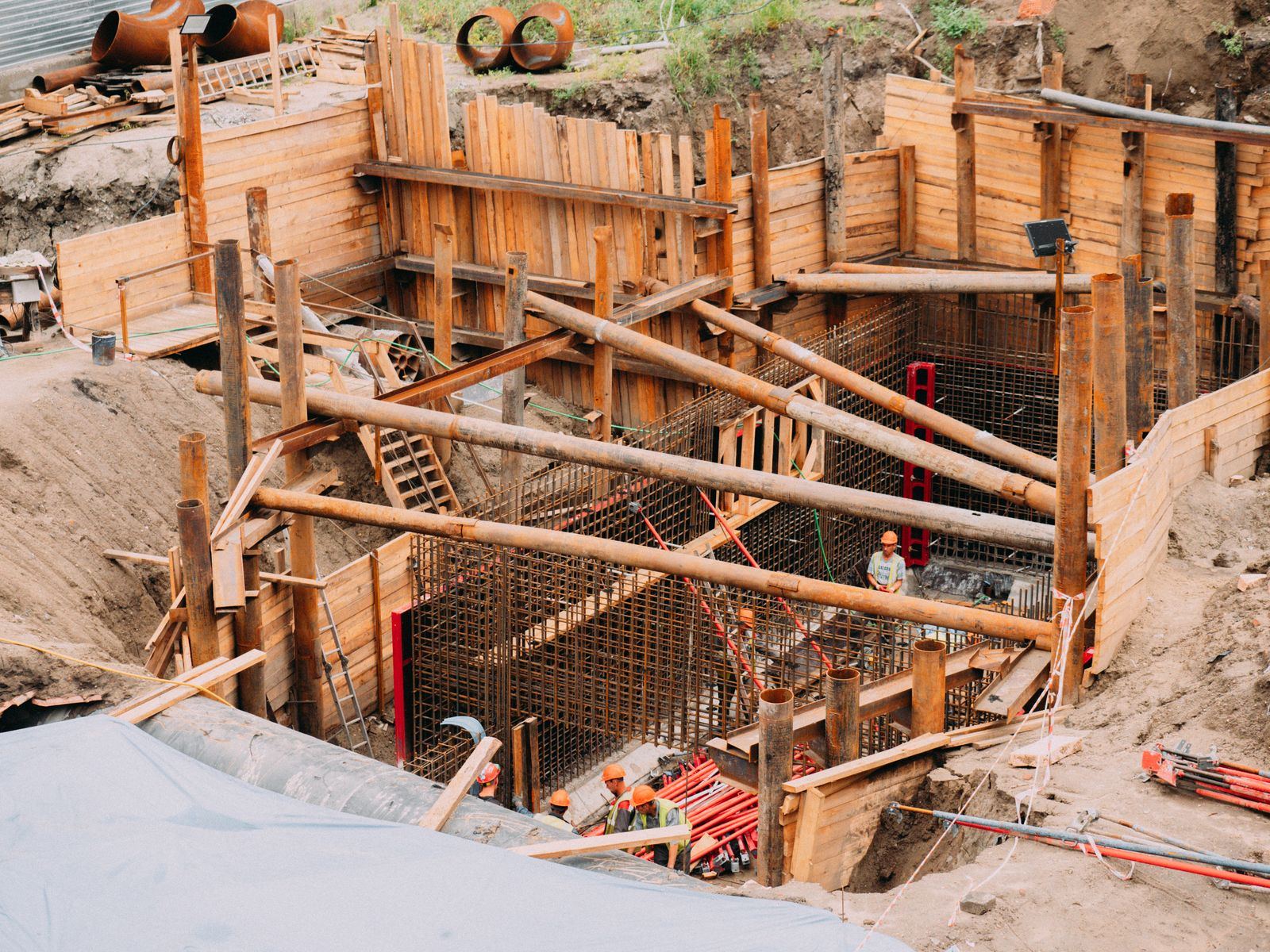
Specialist firms operating around Croydon handle methods such as resin injection, screw piling and traditional underpinning. Whether the insurer pays for them depends on who controls the contract. Clarify this point before anyone digs trial holes or orders materials.
When an insurer blames trees or drains and declines
A common reason for a claim declined subsidence decision is the insurer attributing the movement to something they consider excluded or someone else's responsibility. Trees drawing moisture from clay soil and leaking drains washing away fine particles are frequent explanations.
If your insurer blames a nearby tree, they may argue the local council or a neighbour should pay for removal or root barriers. If they point to drains, they might say a water company or your own maintenance history is at fault. Neither response ends the matter.
You can challenge a refusal. Commission a drain CCTV survey to prove the pipes are intact, or ask a specialist arborist to assess root spread. Presenting new evidence forces the insurer to reconsider. Many declined claims succeed once the homeowner supplies technical proof the original investigation lacked.
Timelines and crack monitoring delays
People want to know how long subsidence claims usually take from start to repair. The honest answer is months, sometimes over a year. Ground movement must be measured across seasons to prove it is active and not historic.
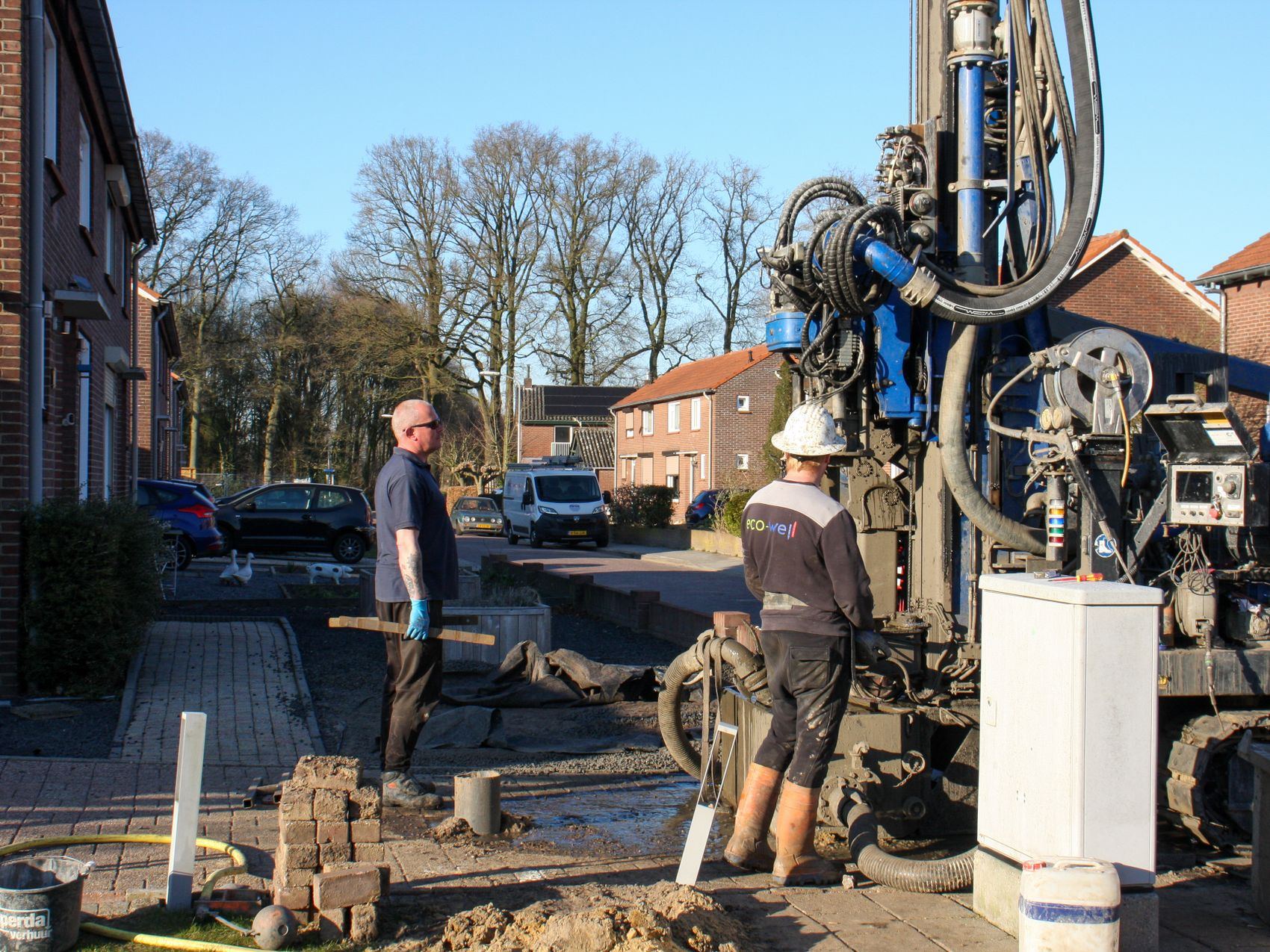
Insurers install crack monitors and leave them in place to record changes over time. Homeowners frequently experience insurer monitoring cracks delay frustration because nothing visible happens while gauges sit on walls. This waiting period is standard procedure, not neglect.
Once monitoring confirms ongoing movement, the insurer approves a repair method. In Croydon, that might mean underpinning with concrete, installing mini screw piles or injecting resin to stabilise shallow foundations. Each method has its own lead time for design, approval and physical work. Patience is unavoidable.
Selling a home after a subsidence claim
You must disclose a past subsidence claim when you sell the house. The seller's property information form asks directly about structural defects, insurance claims and underpinning. Answering falsely risks the buyer suing you later for misrepresentation.
A settled claim with proper repairs and a guarantee from the contractor does not make a home unsellable. Buyers in areas like Thornton Heath, Purley or Coulsdon expect older houses to have some history. What matters is showing the work was done correctly and the building has remained stable since.
Keep every document: the original report, the insurer's letter confirming settlement, invoices from the specialist firm and any certificates of completion. Handing these to a prospective buyer answers their questions faster than any verbal reassurance could.
Signs your home might be moving on its foundations
Ground movement shows itself gradually. Cracks widen over weeks, doors start catching on frames and floors lose their level. These signs do not always mean subsidence, but they warrant attention.
- 1
Diagonal cracks near openings
Cracks wider at the top than the bottom, running from window or door corners, often suggest differential movement in the wall.

- 2
Doors and windows sticking
Frames distort when walls shift. A door that scraped last month but jams today points to ongoing change in the structure.
- 3
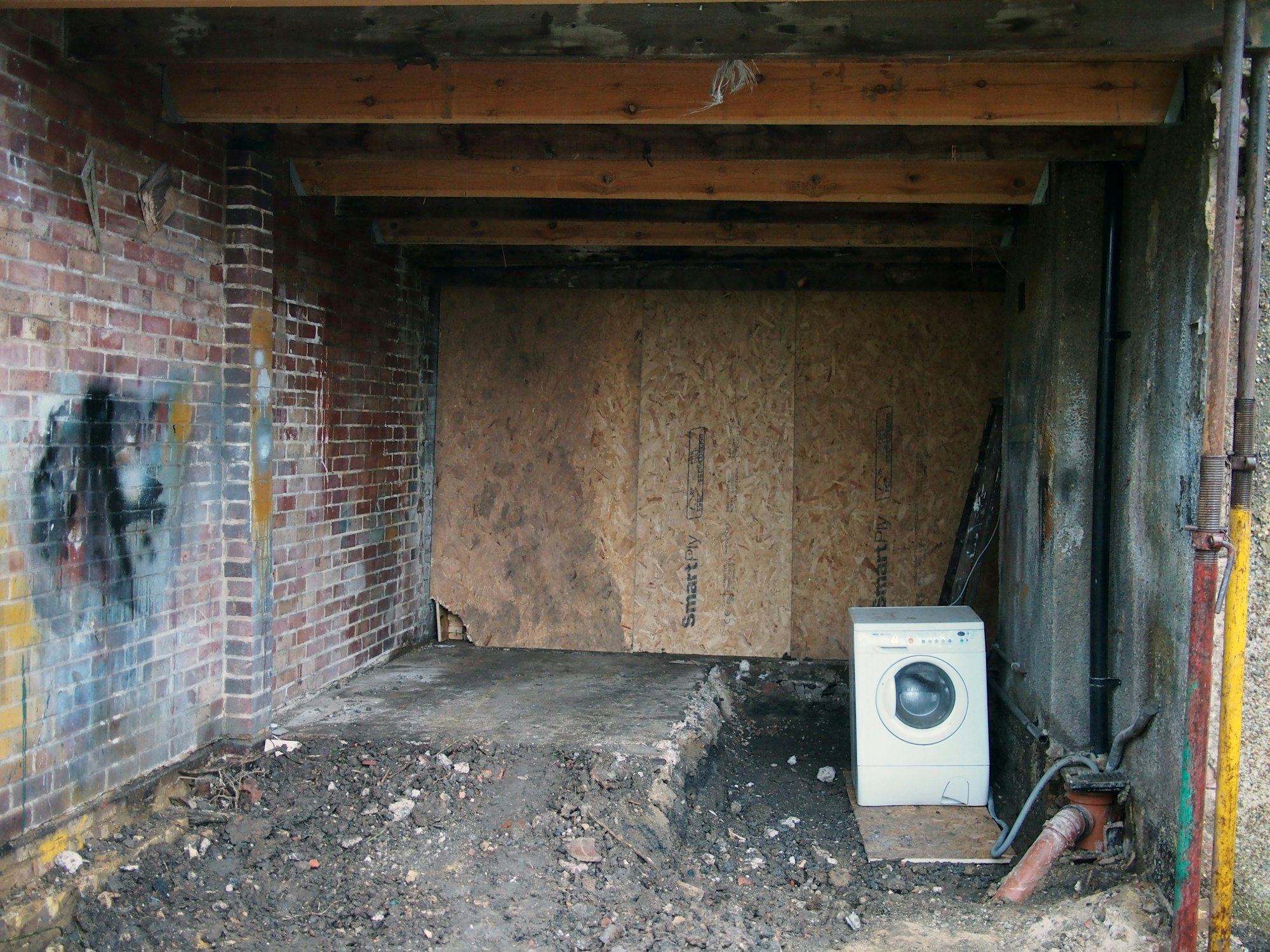
Gaps at skirting boards
Floors dropping away from walls leave visible gaps along the bottom edge of skirting, particularly on suspended timber floors.
- 4
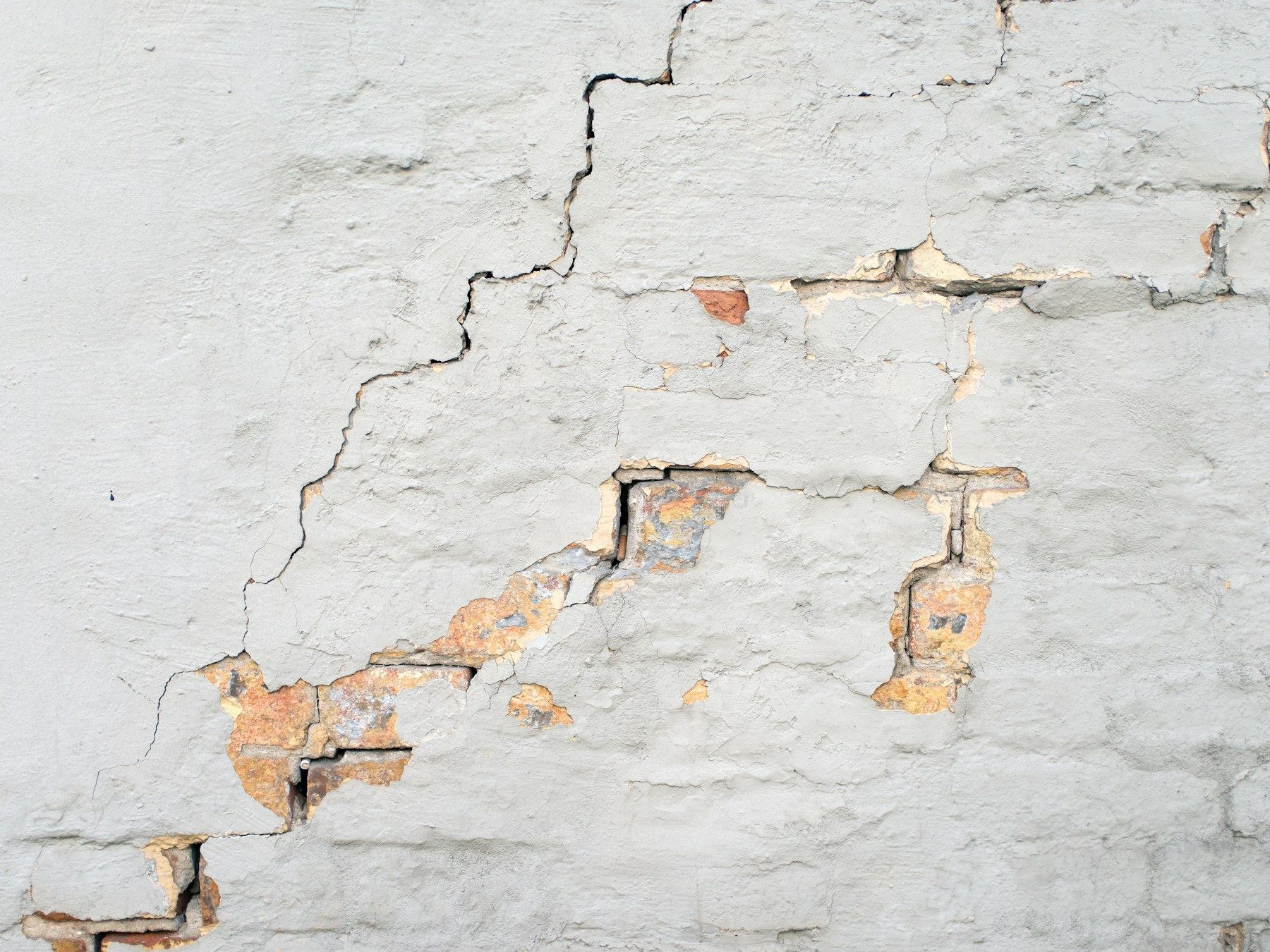
Cracks in external brickwork
Stepped cracking following mortar lines on outside walls indicates the masonry is being pulled apart by foundation movement.
Common questions about subsidence claims
-
Answers to the things homeowners in Croydon ask most often when facing possible ground movement.
- Premium increases after a claim
- Making a claim usually raises your premium. Some insurers add a subsidence loading or require a higher excess at renewal.
- Settlement versus subsidence
- Settlement happens early in a building's life. Subsidence is later movement caused by ground conditions. Policies treat them differently.
- Monitoring without repair
- Insurers sometimes monitor cracks for twelve months before approving repairs. This proves whether movement is seasonal or progressive.
- Partial cover disputes
- If only part of the damage relates to subsidence, the insurer may pay a proportion. Disputes arise over what caused each crack.
- Alternative accommodation costs
- If repairs make the home unsafe to live in, most policies cover reasonable temporary housing costs until the work finishes.
- Historic movement evidence
- Old filled cracks or previous paint over fractures tell the loss adjuster the movement predates your ownership or policy.
Talk to someone about your subsidence worry
Send the details of what you have noticed at home. A specialist firm will review the information and explain what steps make sense next. There is no fee for asking and no commitment to proceed.
- No charge to enquire
- Local knowledge of Croydon
- Clear next steps