Croydon homes
Doors sticking in frames and sloping floors
Describe what you have noticed at home. A specialist firm will review the details and tell you whether the signs point to ground movement, at no cost to you.
When doors stick and floors slope in Croydon homes
Why a door catches before a crack appears
Many people notice doors sticking in frames long before they spot a crack in the plaster. A house sits on soil, and across Croydon that soil is often London clay. When the clay dries out it shrinks, and the foundations settle unevenly. The walls above follow.
A door frame is rigid. Even a few millimetres of movement pulls it out of square, so the door catches at the top corner or drags along the carpet. You might assume the hinges need tightening or the wood has swollen. Sometimes that is true, but when several doors start jamming at once, the frame itself has shifted because the wall behind it moved.
This kind of racking happens slowly. A door that stuck last August might swing freely again after winter rain softens the ground. That seasonal pattern is one reason specialists take the problem seriously. It suggests the soil beneath the home is shrinking and swelling with the weather.
Dipping floors and what the slope tells you
A sloping floor in an old house can be hard to notice until you put a glass of water on the windowsill. In Croydon, where many homes were built on shrinkable clay, uneven floors are a common subsidence sign. The floor dips towards the wall that has dropped, or away from the centre of the room where the ground still holds firm.
The amount of slope matters. A gentle fall of a few millimetres over several metres might be original settlement from decades ago. A steeper drop, or one that has worsened since you moved in, points to active movement. Specialists measure floor levels with laser equipment during a single visit to establish whether the dip is changing.
If the house has concrete ground floors, cracking often accompanies the slope. Broken slabs mean the support underneath has washed out or compressed. A drain CCTV survey sometimes reveals a leaking pipe as the cause, washing fine soil away from under the footing.
Gaps at skirting boards and window problems
A gap between the skirting and the floor usually means the wall has dropped while the floor stayed roughly where it was, or the floor sagged and pulled away from the board. Either way, the two surfaces are no longer meeting as they should. Paint cracks along the join, and dust collects in the new space.
Windows jamming suddenly is another symptom. Sash windows rely on square frames to slide smoothly. When the brickwork shifts, the timber binds. If you also see diagonal cracks outside near the same window, the connection is likely structural rather than a stiff mechanism.
These signs rarely appear alone. A sticking door, a dipping floor and a skirting gap in the same room form a pattern. That pattern helps a specialist distinguish between harmless timber movement and ground failure. In areas like Thornton Heath, Addiscombe or South Norwood, where mature trees grow close to shallow foundations, root activity often drives the process.
What a specialist takes most seriously
Not every sticking door means your home is sinking. Humidity swells timber, and worn hinges let a heavy door drop. But a specialist firm looks for combinations. They take the situation most seriously when doors and windows jam together, when floor slopes are measurable and increasing, and when cracks taper wider at one end.
They will check whether the movement aligns with a drain run or a large tree. In Croydon, both are frequent culprits. A leaking drain softens the ground locally, causing a specific corner to drop. Tree roots extract moisture from clay, pulling the soil volume down over a wider area.
Once the cause is identified, the repair depends on severity. Resin injection can stabilise shallow foundations by expanding into voids. Screw piling drives steel piles past the weak soil to a load-bearing layer. Traditional underpinning digs out sections and pours new concrete footings. The right method follows the diagnosis, not the other way around.
Signs your home might be moving unevenly
Ground movement changes the shape of rooms. Frames twist, floors tilt and surfaces separate. These are things you can see yourself before anyone arrives with measuring equipment.
- 1
Door catching at the top corner
The latch side hits the frame before closing. This often means the opening has twisted out of square because the wall dropped slightly.

- 2
Floor sloping towards one wall
Objects roll to one side of the room. A consistent fall suggests the foundation under that wall has settled lower than the rest.
- 3
Gap opening above the skirting
A visible space appears between the board and the floor. The wall may have moved down, or the floor joists have deflected away from it.
- 4
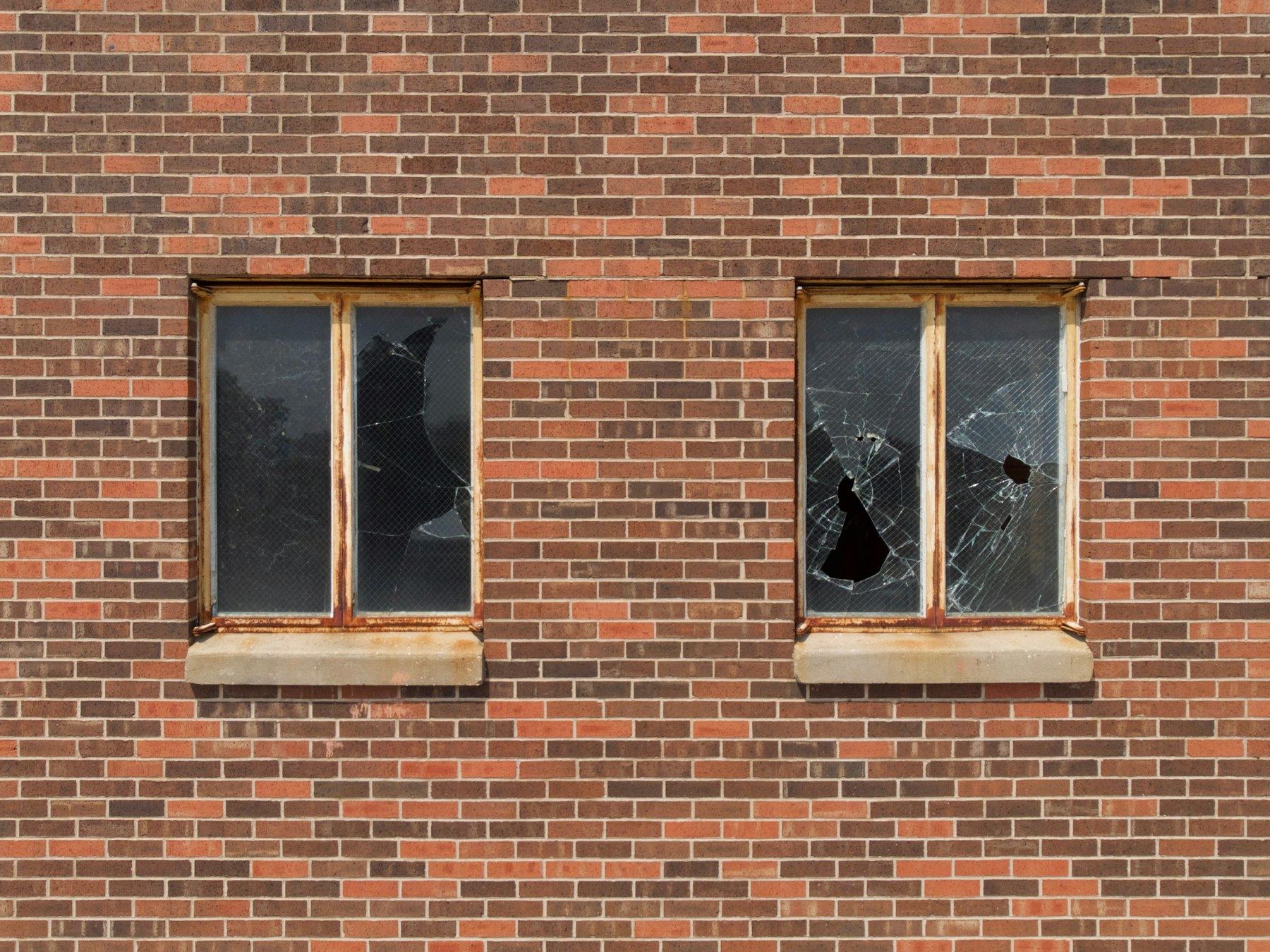
Sash windows binding in the frame
Windows that used to slide freely now jam. The surrounding brickwork shifting out of shape compresses the timber box.
- 5
Diagonal cracks near openings
Tapering cracks run from the corner of a door or window. Wider at one end, they follow the path of least resistance through the masonry.

Questions homeowners in Croydon ask
My internal door catches at the top corner, is that the frame or the house?
It could be either. Swollen timber or loose hinges cause sticking. But if the door started catching recently and other doors do the same, the frame may be out of square because the house moved.
The back room floor dips towards the wall, how much slope is a problem?
Any new or worsening slope deserves attention. A few millimetres over several metres might be historic. More than that, or a change you can track month to month, suggests active ground movement.
There are gaps opening above the skirting, what does that usually mean?
A gap between the skirting and the floor typically means the wall has settled downwards or the floor has dropped away. Both point to differential movement in the structure.
Which of these signs would a specialist take most seriously?
A combination. One sticking door might be timber swelling. Sticking doors plus a sloping floor plus tapering cracks together suggest structural movement that needs investigation.
Could sticking doors just be damp weather and swollen timber?
Yes. Timber expands in humid conditions. Seasonal sticking that resolves in winter is often moisture-related. Year-round jamming that worsens over time is more likely structural.
Should I plane the door or leave it so the movement can be assessed?
Leave it. Planing removes material and hides evidence. A specialist measures how far the frame has distorted, and a shaved door makes that harder to read accurately.
How do you measure floor levels, and can it be done in one visit?
Specialist firms use laser levels or digital inclinometers to map the floor surface. A full survey of levels across a room typically takes a few hours and is completed in one visit.
My sash windows will not close properly any more, is that linked to cracks?
Often yes. Windows jamming suddenly alongside new external cracks suggests the wall has distorted. The frame twists, binding the sashes. Both symptoms usually share the same cause.
Tell someone what you have noticed
Write down which doors stick, where the floor dips and what the gaps look like. A specialist firm will read your description and advise whether a site visit is needed. There is no charge for the initial enquiry.
- No obligation to proceed
- Free initial advice
- Local knowledge