Croydon guides
Wall cracks advice for Croydon homes
Read through the guides below to understand what a crack or sticking door might mean for your home. If you need someone to look at it, send an enquiry and a specialist firm will respond without charging you.
Guides on Subsidence in Croydon Homes
Understanding Cracks and Movement
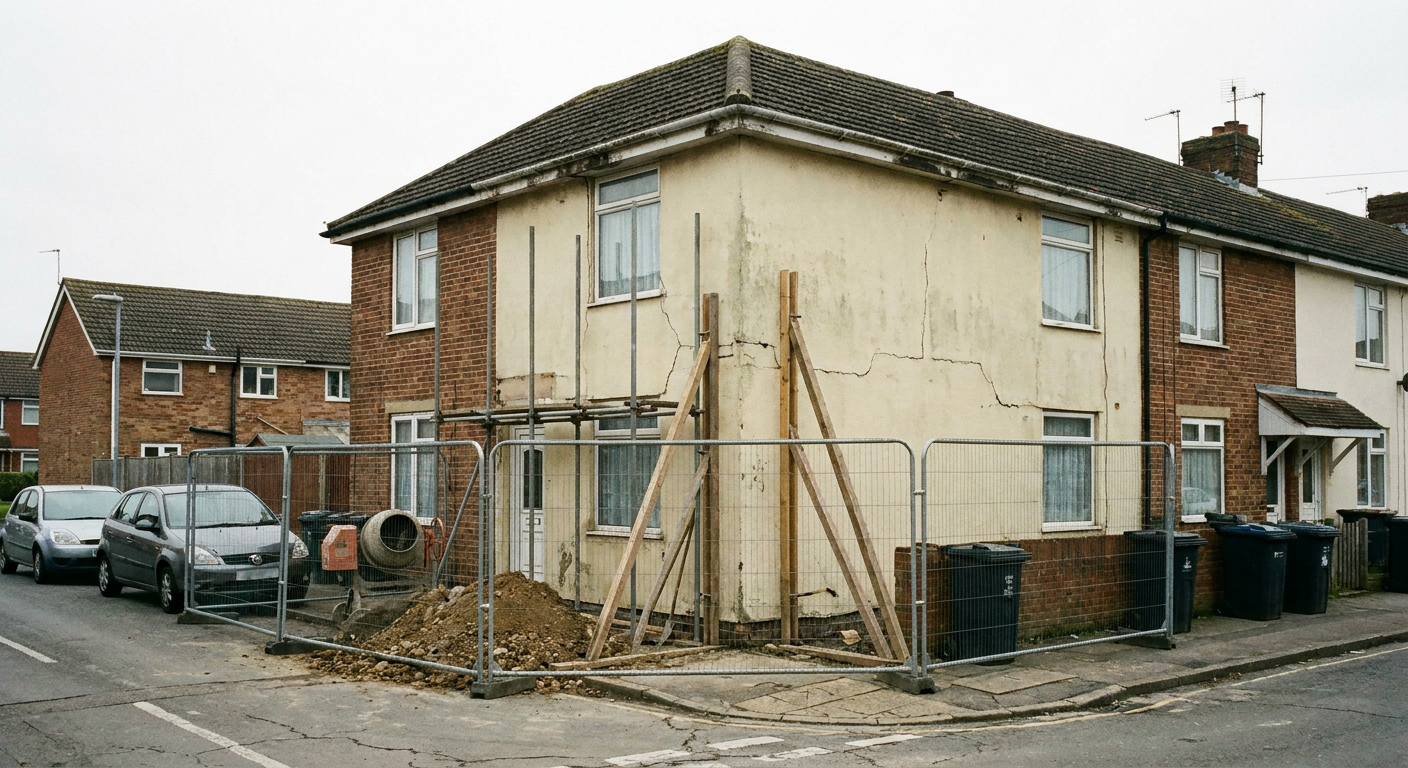
A crack in a wall does not always mean the ground beneath your home is moving. Hairline cracks appear as plaster dries out or as a house settles after it is built. Wider cracks, especially those that run diagonally from a window or door corner, are more likely to point to subsidence.
Reading the shape, width and position of a crack tells you whether it needs attention. The guide on reading cracks in your walls explains what each type means and when a specialist should examine them. Another piece separates subsidence from settlement, so you know whether the movement is ongoing or happened long ago.
Sticking doors and sloping floors often arrive before visible cracking. A separate guide covers these early signs and what they suggest about the foundations beneath your home.
Why Croydon Ground Causes Problems
Much of Croydon sits on London Clay. This soil swells when wet and shrinks when dry, pulling the ground away from shallow foundations. The guide on London clay under Croydon houses explains how this seasonal shrinking causes walls to move and crack.
Tree roots make the problem worse. Large trees near a house draw moisture from the clay, drying it out faster than rain can replace it. The guide on tree roots and house movement shows which species cause the most trouble and how close they need to be to affect your home.
Broken underground pipes wash fine soil away, leaving voids that foundations cannot bridge. The piece on leaking drains explains the signs to watch for, such as damp patches near downpipes or sudden sinking in a garden path. A drain CCTV survey guide details how a specialist firm uses cameras to find hidden leaks without digging up the ground.
Repair Methods for Subsidence
Underpinning strengthens existing foundations by extending them deeper into stable ground. The guide on underpinning methods explains when this work is necessary and what it involves for a Croydon home.
Resin injection offers a different approach. A specialist firm pumps expanding resin beneath the foundation to fill voids and lift settled concrete. The resin injection guide covers where this method works and where it does not.
Screw piling drives steel piles deep into the ground to bypass weak soil entirely. The screw piling guide explains how mini piles support homes where traditional underpinning would be too disruptive. For cracked concrete floors inside the house, a separate guide covers repair options and what causes internal slabs to split.
Insurance, Buying and Renting
If subsidence is confirmed, your buildings insurer usually handles the claim. The insurance claim guide walks through what an insurer will ask for, how loss adjusters assess damage and what happens if they dispute the cause.
Buying a house with cracks carries risk. A survey might flag movement, but the guide on buying a house with cracks explains how to tell whether the problem is old and stable or active and expensive to fix.
For rented homes, responsibility falls in different places depending on the tenancy. The landlord and tenant guide sets out who arranges surveys, who pays for repairs and what a tenant should do first if they notice a new crack.
Neighbourhood Guides Across Croydon
Soil conditions change across the borough. Thornton Heath and South Norwood sit heavily on London Clay, making shrinkage a common cause of movement. New Addington has its own mix of clay and made ground, while Purley and Coulsdon see problems where chalk meets clay.
Addiscombe, Norbury and Selsdon each have streets where mature trees grow close to older houses. Shirley, Waddon and Upper Norwood sit on slopes where drainage and ground movement interact. Sanderstead and Kenley have areas of chalk that behave differently from the clay found closer to the town centre.
Each neighbourhood guide covers the local soil, the typical signs homeowners report and the repair methods a specialist firm is likely to recommend. Reading the one for your area gives you a clearer picture of what might be happening beneath your home.
Tell us what you have noticed
Send a short description of the problem and your address. A specialist firm will read it and reply with advice or arrange a visit. There is no fee for this and no obligation to accept any work they quote for.
- No fee to enquire
- No obligation to proceed
- Specialist firms handle it
Is It Subsidence?
- Reading Cracks
Is this crack subsidence? Compare crack width, shape and location, and learn which wall cracks point to movement and which are harmless plaster shrinkage.
- London Clay
Clay soil subsidence happens when London clay under Croydon homes shrinks in dry spells and swells again. Read the signs and what to check.
- Trees and roots
Can trees cause subsidence? How roots draw moisture from clay soil, which species and distances matter most, and the signs of movement to look for at home.
- Leaking drains
A leaking drain causing subsidence can wash soil from under footings. Learn the warning signs, why cracks appear near gullies, and how leaks are traced.
- Insurance Claims
A subsidence insurance claim usually starts with your buildings insurer appointing a loss adjuster. Read the steps, the excess and what evidence helps.
- Doors and floors
Doors sticking in frames, windows that jam and sloping floors can point to subsidence in Croydon homes. See what to check and when a survey helps.
- Settlement
Subsidence or settlement cracks can look alike. Compare crack shape, timing and where they appear in a house, and see which checks suit each one.
- Common Questions
Common subsidence questions answered: what cracks mean, what a survey covers, how repairs and insurance claims usually work, and who does the work.