
Croydon homes
Subsidence or settlement cracks: what's the difference
Describe the cracking you have noticed. A specialist firm will review it and tell you whether a survey is needed, at no cost to you.
Subsidence or settlement cracks: what they mean for Croydon homes
Settlement, shrinkage and the first months in a new build
A house settling into its foundations is normal. In the first few years, the weight of the building compresses the soil evenly, and small cracks appear where plaster meets a ceiling or along a skirting board. These settlement cracks in a new build are usually thin enough to close with filler and paint. They do not widen over time, and they rarely follow a single path through both brickwork and internal finishes.
Shrinkage cracks in plaster walls happen for a different reason. Fresh plaster loses moisture as it dries, pulling away from itself in fine lines. These tend to run randomly rather than following mortar joints. Neither type points to a foundation problem. If you see them in a Croydon home built within the last five years, the ground beneath is almost certainly doing what it should.
The distinction matters because treating harmless movement as a structural fault leads to unnecessary work. Specialist firms look at the age of the building and the pattern of the cracking before suggesting anything beyond redecoration.
Thermal movement in brickwork across the seasons
Bricks expand when they warm up and contract when they cool down. A long stretch of south-facing wall in Addiscombe or Purley absorbs enough summer heat to lengthen by several millimetres. When winter arrives, it shortens again. This thermal cracking in brickwork tends to be vertical, straight, and found near corners or window openings where stress concentrates.
You can often tell thermal movement apart from progressive ground movement by watching the crack over a year. Thermal cracks open slightly in cold weather and tighten when temperatures rise. They stay roughly the same width from one winter to the next. Progressive movement does not reverse. Each season the gap grows a little wider, or the crack extends further up the wall.
London clay under much of Croydon complicates this picture. Clay shrinks in dry summers and swells in wet winters, so some seasonal change in crack width is expected even where foundations are sound. The question is whether the crack returns to its original width each cycle or keeps growing. That difference separates routine maintenance from a job that needs a specialist survey.
Crack widths, shapes and what they suggest
People often ask how wide a crack must be before it becomes serious. Hairline cracks below one millimetre rarely indicate structural trouble. They are common in older properties around Norbury and Thornton Heath, where decades of minor vibration and temperature changes leave their mark on plaster.
Cracks between one and five millimetres deserve attention. If a crack is this wide and runs diagonally, particularly a diagonal crack above a window frame or door lintel, it may point to differential movement. One part of the foundation has shifted more than another. The direction matters: diagonal cracks tapering toward the top suggest the wall below has dropped.
Anything over five millimetres, or multiple cracks appearing together, usually warrants a professional inspection. Width alone does not confirm subsidence. A crack gauge monitoring a home over several months gives far better information than a single measurement. Specialists use these readings to establish whether movement is active, which determines whether repair is necessary or whether the wall has already stopped shifting.
Extensions, bay windows and garden walls
An extension sits on shallower foundations than the main house. It was built later, often on disturbed ground, and it reacts differently to moisture changes in the soil. A crack where an extension meets the original house is one of the most common things homeowners notice. The two structures move independently, and the joint between them takes the strain.
This does not automatically mean the extension is failing. Many such cracks are simply the result of differential settlement, where the newer section has compressed the soil beneath it slightly more than the older, heavier part. Bay windows behave similarly because they project outward and carry load on a smaller footprint.
Garden walls lack the deep foundations of a house and sit exposed to tree roots and surface water. Cracking here is frequent in areas like Selsdon and Kenley, where mature trees grow close to boundaries. While a leaning garden wall needs attention for safety reasons, its movement does not always reflect what is happening under the house itself.
Monitoring readings and why decisions take time
When a specialist surveys a home with suspected subsidence, they often recommend a period of monitoring before any repair is agreed. Crack gauges or tell-tales are fixed across the opening and measured at intervals, usually every three months for at least a year. Homeowners frequently find this delay frustrating.
The reason is straightforward. Repairing a wall that is still moving wastes money. Underpinning or resin injection stabilises a foundation at a specific point in time. If the ground continues to shift afterwards, the repair fails. Monitoring proves whether the movement has stopped, is seasonal, or is progressive.
Insurance companies also require this evidence. Most buildings insurers will not authorise major works until a monitoring report shows a clear trend. In Croydon, where London clay causes predictable seasonal movement, distinguishing a one-off shift from an ongoing problem takes time. A specialist firm uses the data to decide whether simple repairs to the masonry are enough, or whether foundation work is genuinely required.
What to photograph and measure while you wait
If you decide to monitor a crack yourself before arranging a survey, consistent records help. Take photographs in the same light, from the same distance, with something for scale. A coin or ruler held flat against the wall works well. Do this monthly.
Measure the widest point of the crack with a ruler and note the date. Mark the ends of the crack with a pencil so you can see if it extends. If you fit a simple plastic crack gauge, record the reading each time. Write everything down in one place.
Note the weather. Long dry spells affect clay soils across Croydon, from Waddon to Upper Norwood. Heavy rain after drought can cause heave. Recording conditions alongside measurements helps a specialist interpret the data later. You are not diagnosing the problem. You are building a timeline that makes their visit more useful and prevents guesswork.
Signs your home might be moving
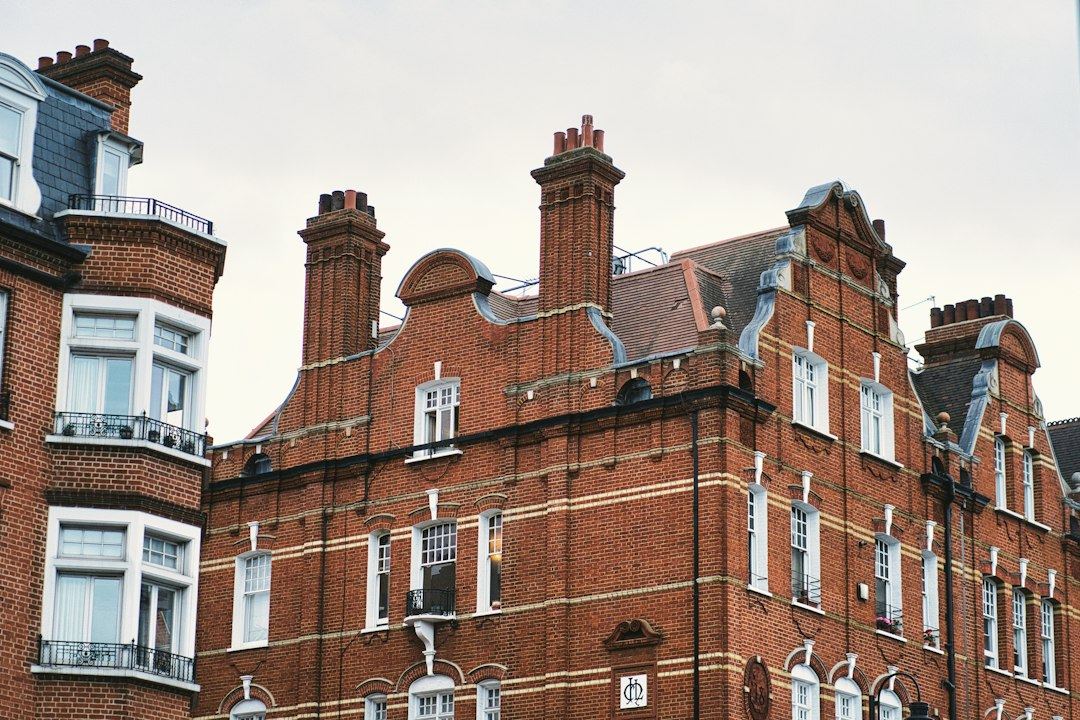
Ground movement shows itself in the fabric of a house. Cracks, sticking doors and sloping surfaces all point to something shifting beneath the foundations. What you see inside and outside helps determine how urgent the situation is.
- 1
Diagonal cracks near openings
A diagonal crack above a window or door that widens towards the top often suggests uneven foundation movement below that section of wall.

- 2
Doors and windows jamming
Frames distort when walls shift. A door that sticks in summer but frees up in winter may point to seasonal clay movement.
- 3
Gaps at skirting boards
Floors dropping away from walls leave visible gaps. This happens gradually and is easier to spot in rooms with wooden skirtings.

- 4
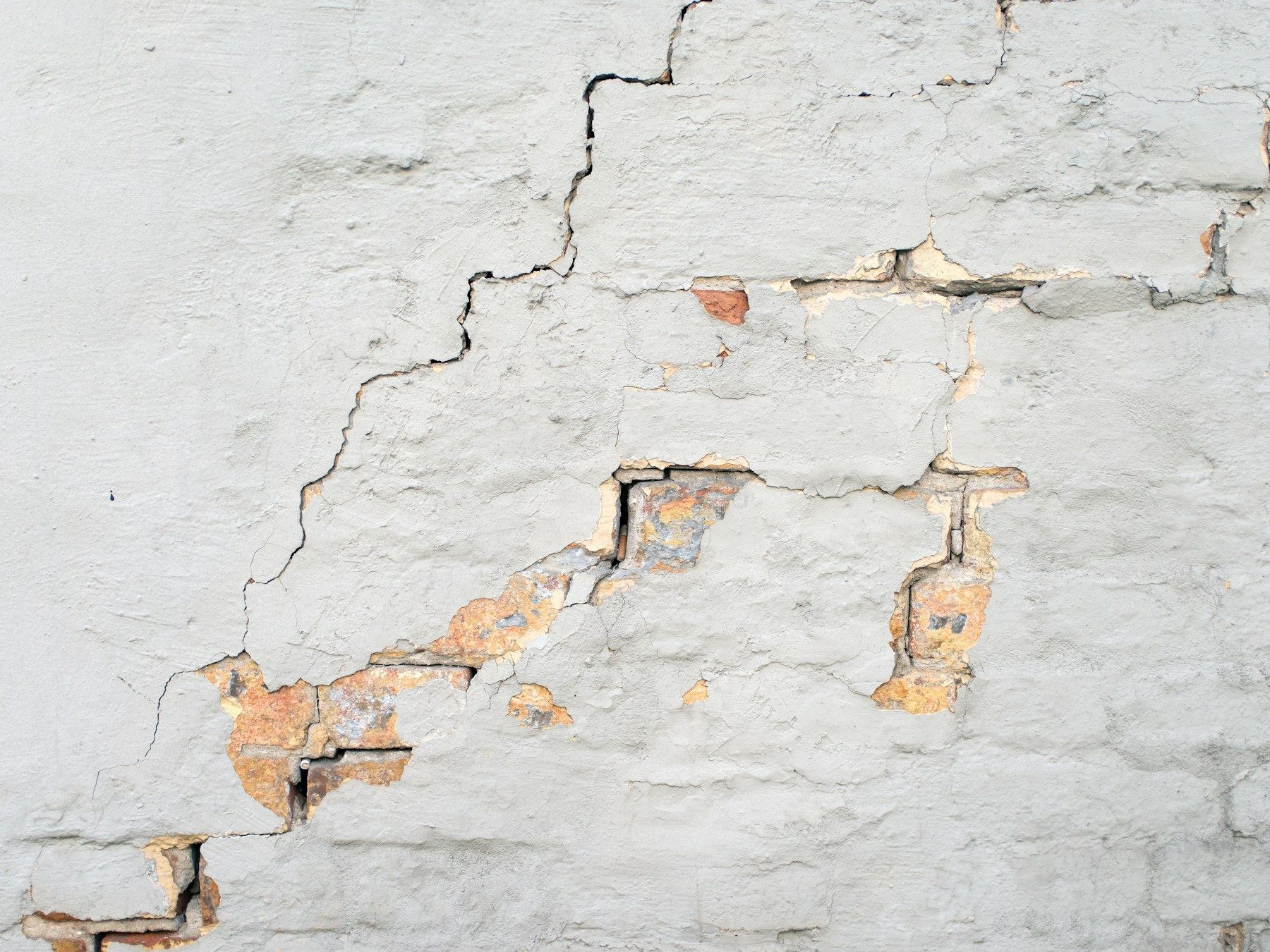
Cracks stepping through bricks
Cracks following mortar joints in a stepped pattern indicate the wall is splitting along its weakest lines as the ground shifts.
Which situation matches your home
Recognising the pattern tells you how soon to act. Only a physical inspection by a specialist firm confirms what is actually happening beneath your foundations.
-
A diagonal crack above a window getting wider each monthToday
Progressive differential movement where one part of the foundation is sinking faster than the rest, potentially affecting structural stability.
What to do Arrange a subsidence survey so a specialist firm can assess the foundations and soil conditions.
-
Crack where my extension meets the main houseSoon
Differential settlement between old and new foundations, common in extensions built on shallower footings than the original structure.
What to do Monitor the width monthly and book a survey if it exceeds five millimetres or keeps growing.
-
Fine hairline cracks in new plaster drying outWorth watching
Plaster shrinkage as moisture leaves the surface, typical in recently decorated rooms and unrelated to foundation problems.
What to do Fill and repaint. Check again in six months to confirm nothing has widened.
-
Cracks that open in summer and close in winterSoon
Seasonal clay shrinkage and swelling, especially relevant on London clay across Croydon borough.
What to do Record measurements through a full year so a specialist can distinguish seasonal movement from progressive subsidence.
-
Thermal cracking in south-facing brickworkWorth watching
Expansion and contraction from temperature changes, usually vertical and consistent in width from year to year.
What to do Seal the crack to prevent water ingress and check annually for any increase in width.
None of this diagnoses your home. If a crack appeared suddenly or is widening fast, ask for a survey now rather than waiting.
Tell us what you have noticed
Send details of the cracking you see. A specialist firm reviews the information and advises whether a site survey is needed. There is no charge for this initial assessment.
- No obligation to proceed
- Free initial assessment
- Local Croydon coverage