
Croydon homes
Is this crack subsidence? How to read wall cracks
Describe the crack you have noticed and a specialist firm in Croydon will tell you what it likely means. There is no charge for this first conversation, and nothing obliges you to book any work.
What crack width, direction and location usually indicate
A crack in wall worrying you does not automatically mean the ground beneath your home has failed. Plaster shrinks as it dries, timber frames move with humidity, and brickwork expands slightly in summer heat. Most of these movements leave marks under two millimetres wide, often straight and confined to one surface.
Subsidence cracks tend to behave differently. They are usually wider than three millimetres, run diagonally through both plaster and brick, and appear near openings where the wall is weakest. A wall crack width guide helps here: anything you can fit a pound coin into deserves attention. The direction matters too. A diagonal crack above window frames often follows the line of stress caused by a dropping foundation, while stepped cracks in brickwork trace the mortar joints because that is the easiest path for the masonry to separate.
Location narrows things further. Cracks at the junction where an extension meets the main house frequently point to differential movement between two foundations built at different times. In Croydon, where London clay sits under much of the borough, seasonal shrinkage causes many of these patterns to open in late summer and close again after winter rain.
What a specialist concludes from the same wall
You might look at a crack and see damage. A structural engineer or surveyor looks at the same wall and reads a history of movement. They note whether the crack tapers, which end is wider, and whether it passes through bricks or only along mortar lines. That distinction separates a settlement or subsidence crack from superficial drying.
The specialist also checks doors and windows nearby. If frames have distorted enough to stick, the movement is probably deeper than the surface finish. They look outside for trees whose roots could be extracting moisture from the soil, and they consider whether drains run close enough to leak and wash fine particles away from the footing.
One visit rarely produces a final answer. The specialist forms an initial view, but confirming ongoing movement takes time. They may recommend monitoring cracks at home using simple glass tell-tales fixed across the fracture, or they might arrange a drain CCTV survey to rule out leaking pipes before anyone discusses underpinning or resin injection. The goal is to identify the cause before prescribing the repair.
Why photographs with a date and a ruler matter now
Memory is unreliable when you are anxious about your home. A crack you swear was hairline last month can look exactly the same weeks later, yet feel worse because worry has sharpened your attention. Photographs taken properly remove that uncertainty.
Hold a ruler flat against the widest part of the crack and take the picture square-on so the millimetre markings are readable. Include something that shows scale and position, like a door handle or a light switch. Write the date on a scrap of paper and place it in the frame, or rely on the timestamp your phone records automatically. Take shots from far enough back to show where the crack sits on the whole wall, then close up for the detail.
These images give a specialist a baseline. If you call an insurer later, dated photographs prove the timeline. Without them, establishing when movement started becomes guesswork. Even if the crack turns out to be harmless plaster shrinkage, having a record saves you from repeating the same worry next summer. Keep the photos in one folder so you can hand them over quickly if a surveyor visits your Croydon home.
Signs a crack might be more than plaster shrinkage
Cracks appear for many reasons. Some are cosmetic, others signal that the ground supporting your home has shifted. These visible signs help you decide whether to seek professional advice.
- 1
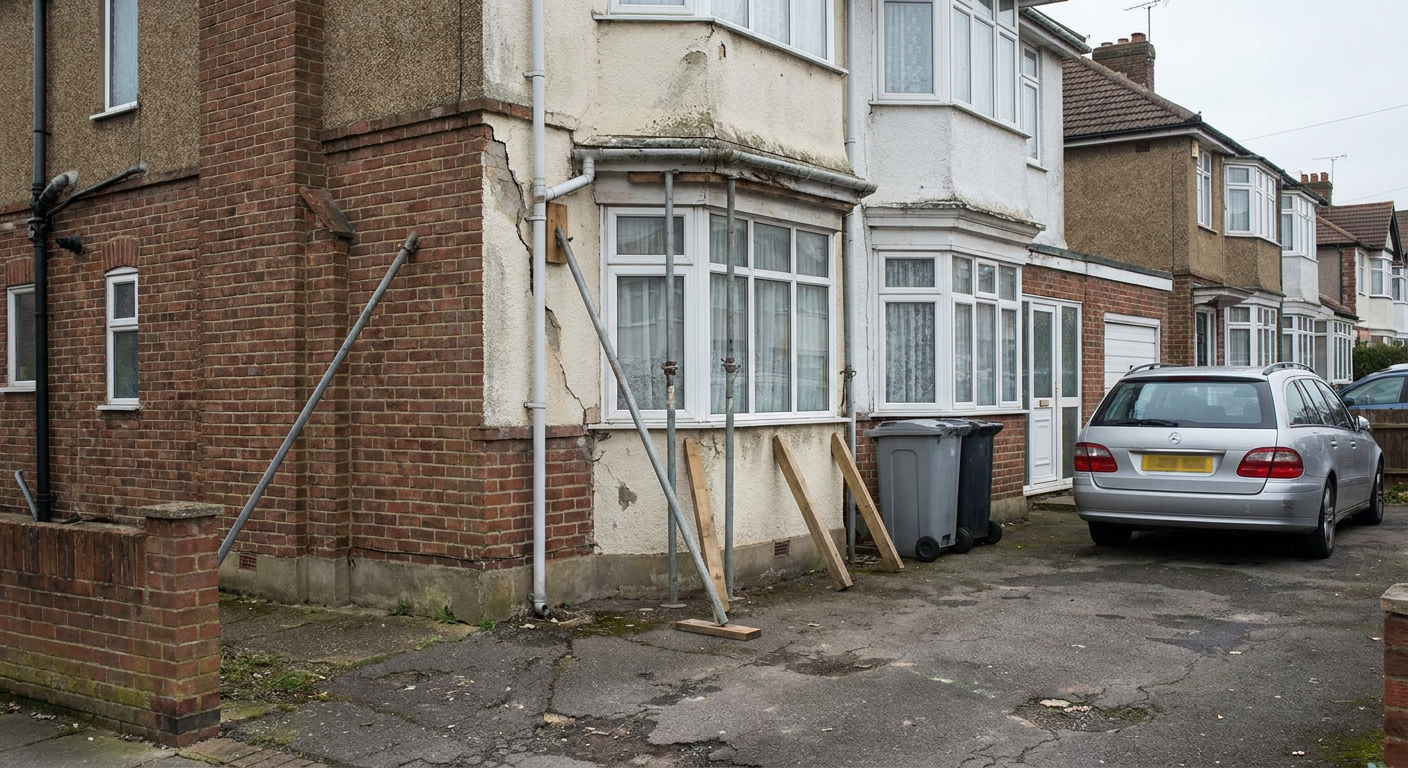
Wider at one end than the other
A tapering crack suggests one side of the wall has dropped relative to the other. This pattern often points to uneven ground movement below the foundation.
- 2
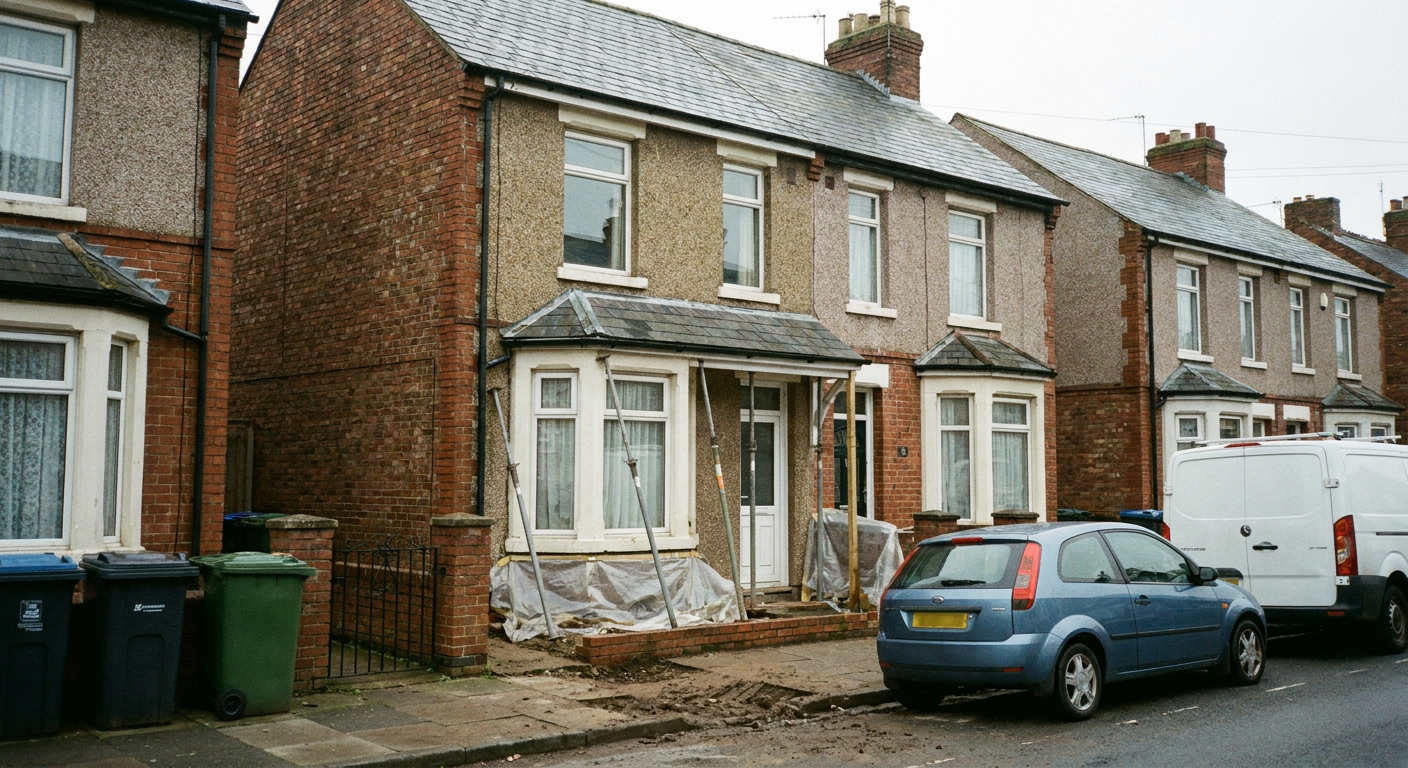
Diagonal line above a window or door
Openings weaken a wall. Diagonal cracking here can indicate the lintel or surrounding masonry is under stress from shifting ground rather than simple drying.
- 3
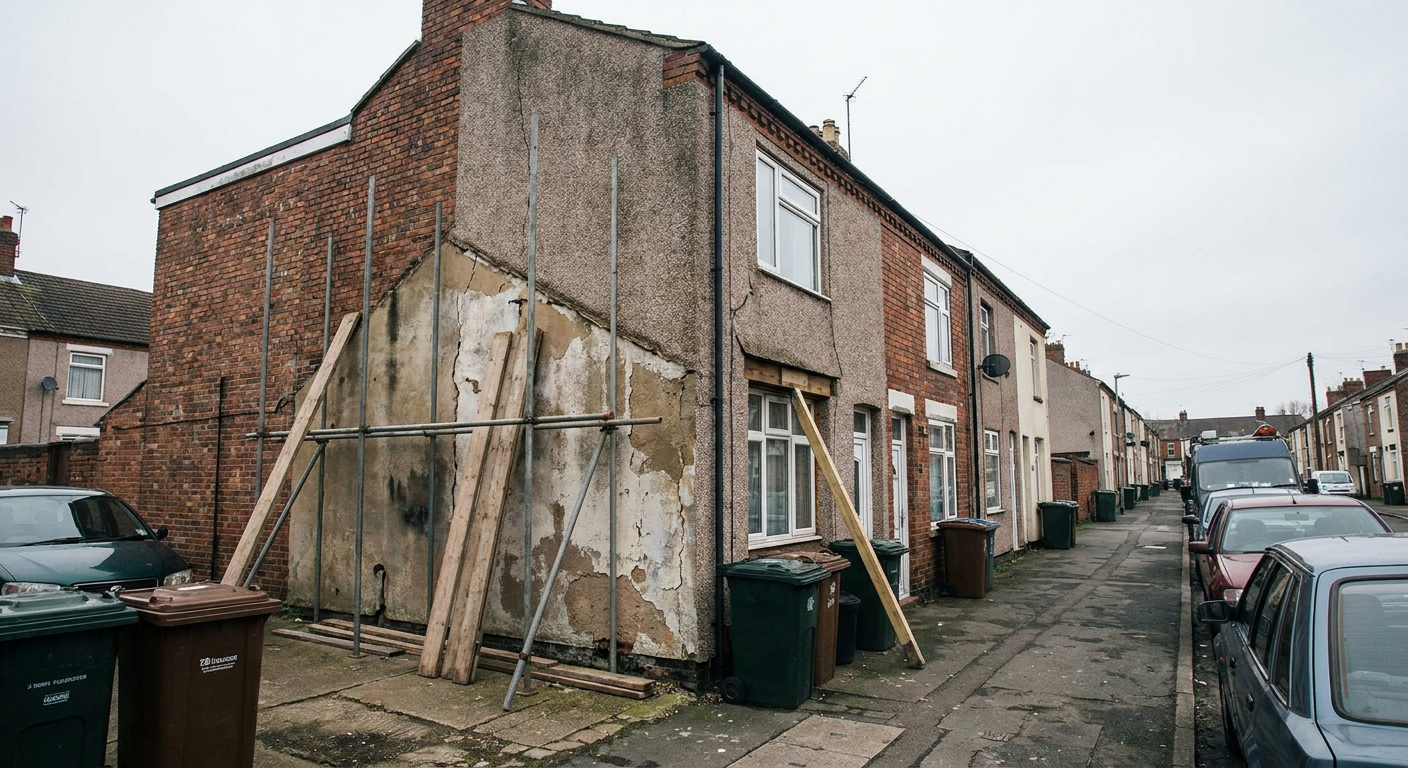
Stepped pattern along mortar joints
When bricks stay intact but the mortar splits in a staircase shape, the wall is separating along its weakest bonds. This often accompanies foundation movement.
- 4
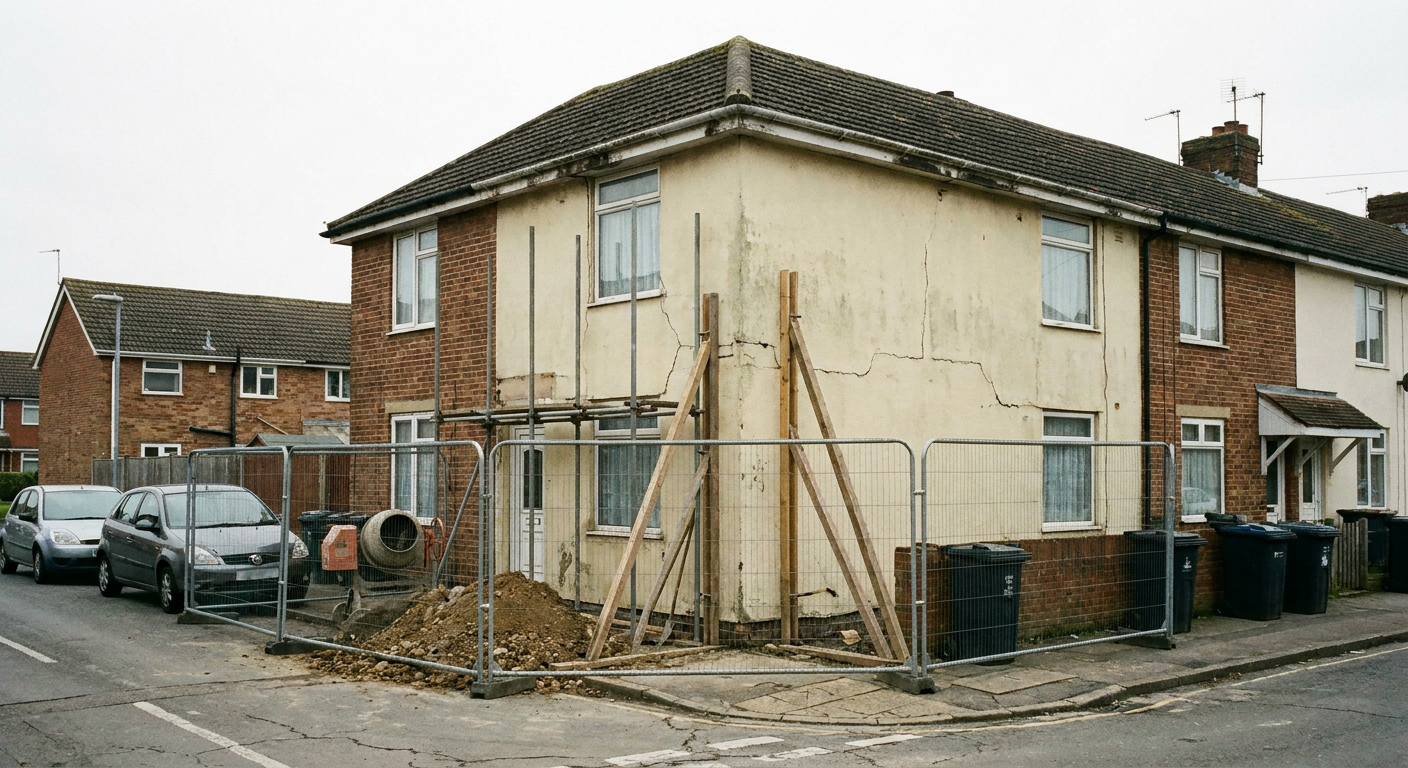
Visible through the brick, not just plaster
Surface cracks stay in the skim coat. A fracture running through solid masonry means the force causing it originates deeper than the interior finish.
- 5
Doors sticking in their frames nearby
If a crack is accompanied by doors that jam or floors that slope toward the same wall, the distortion is likely structural rather than cosmetic.
Questions homeowners ask about wall cracks
How wide does a crack have to be before I should be concerned?
Hairline cracks under one millimetre are usually cosmetic. Once a gap reaches three millimetres, roughly the thickness of two pound coins stacked together, it warrants investigation. Anything wider than five millimetres needs prompt professional assessment to determine the cause.
My crack is wider at the top than the bottom, what does that tapering mean?
Tapering indicates rotation or differential movement. The wider end has moved further than the narrow end. In subsidence cases, this often means the foundation beneath the wider section has dropped, pulling the wall apart progressively upward.
Is a diagonal crack above my window worse than a straight vertical one?
Generally yes. Vertical cracks often result from thermal expansion or plaster drying. A diagonal crack above a window follows the stress path created when a foundation moves, making it more likely to relate to ground conditions than surface finishes.
Hairline cracks every summer: plaster drying?
Seasonal hairline cracks that open in dry months and close when humidity returns usually reflect normal material movement. However, on London clay soils around Croydon, repeated seasonal opening can sometimes indicate shallow foundation movement driven by moisture changes.
What should I photograph, and do I need a ruler?
Yes, include a ruler held flat against the widest point so measurements are exact. Photograph the full wall to show position, then close-up for detail. Add a dated note in the frame. These images give specialists a reliable baseline to compare against later.
Call my insurer first or get the crack checked?
Contact your buildings insurer early. Most policies require prompt notification of suspected subsidence. Your insurer will then appoint a specialist to investigate. Delaying the call can complicate claims, though taking your own photographs beforehand strengthens your position.
How long should I monitor a crack before deciding it is moving?
Simple tell-tales left in place for four to six weeks can reveal active movement. For seasonal patterns linked to clay shrinkage, monitoring across a full year gives clearer evidence. Specialists often prefer several readings over months before recommending major repair work.
Can a specialist tell from one visit, or does it need weeks of readings?
A structural surveyor can form an initial opinion during one visit, identifying likely causes and ruling out obvious non-structural issues. Confirming the rate and direction of movement requires repeated measurements over weeks or months before any repair method is chosen.
Tell us about the crack you have found
Send details of what you have seen. A specialist firm covering Croydon will review the information and advise you on the next step. You are not committing to any repair work by asking.
- No obligation to proceed
- Free initial advice
- Local firms respond