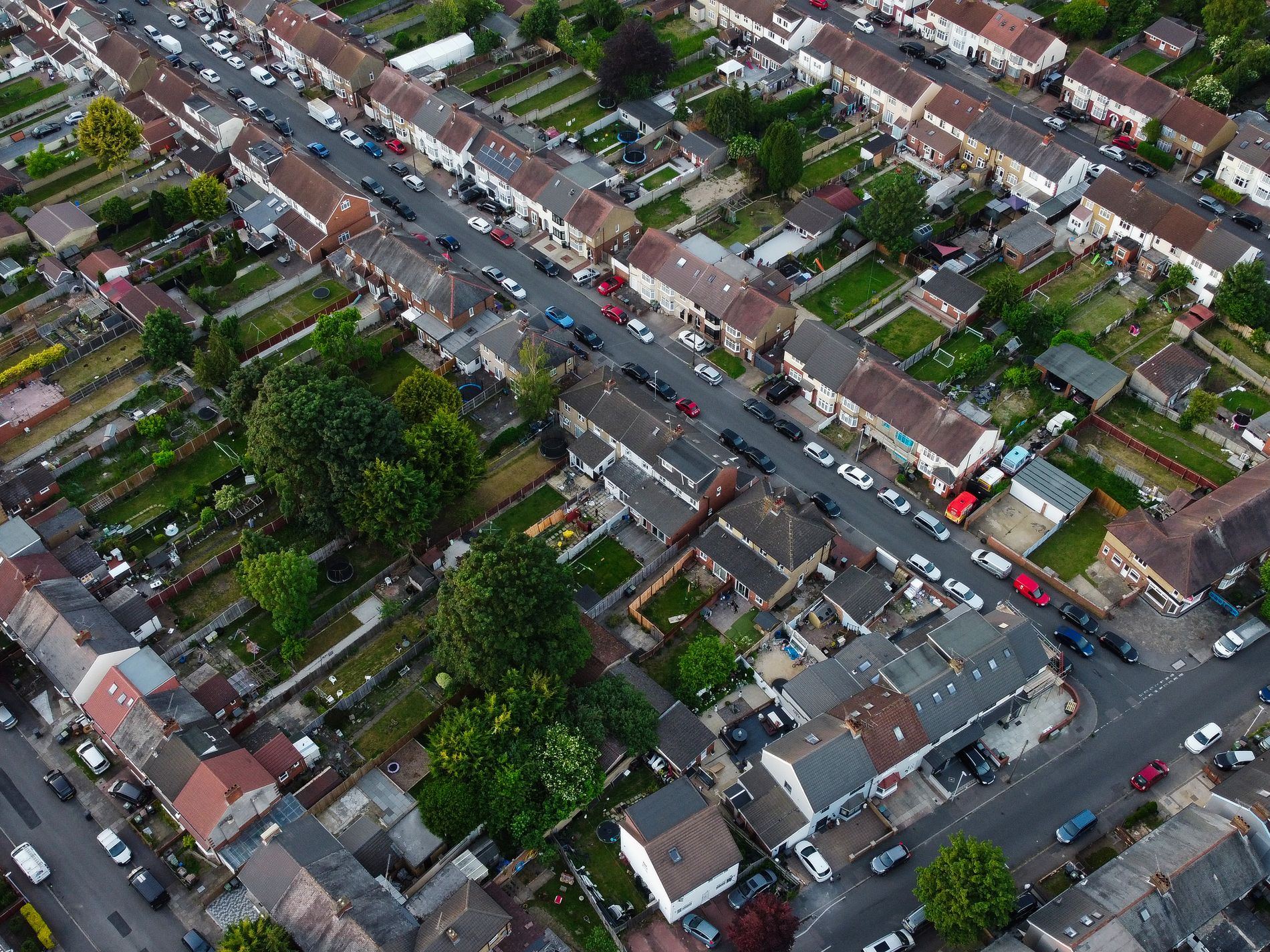
Trees and foundations
Can trees cause subsidence near your house?
Send details of the tree you are worried about and a specialist firm will assess whether it is affecting your foundations. There is no charge for an initial enquiry.
How trees affect foundations on Croydon clay
Why mature trees matter near your home
If you live in Croydon and have noticed cracks appearing in your walls, you might wonder whether the large tree outside is responsible. People often ask can trees cause subsidence, and the answer depends on the soil beneath the house. Much of Croydon sits on London Clay, which shrinks when it dries out and swells when it gets wet. Tree roots draw moisture from that clay, so a tree too close to house foundations can dry the ground unevenly.
Mature street limes line many roads in Addiscombe and South Norwood. Their roots spread wide, sometimes reaching further than the canopy above. If a lime stands within ten metres of your front wall, the specialist firm handling your survey will check whether its roots are extracting water from the clay directly below your footings. Not every nearby tree causes movement, but proximity on shrinkable soil increases the chance that roots cracking foundations is the reason your plaster has split.
Which species pull the most water from the ground
Different trees demand different amounts of water. Poplars, oaks and willows are among the thirstiest. A Lombardy poplar in a back garden in Shirley or Selsdon can extract thousands of litres during a dry summer. That volume of water loss makes the clay contract, and if one side of your home loses more moisture than the other, the foundations move at different rates. Poplar roots house damage is a familiar problem because these trees grow fast and their root systems extend far beyond the trunk.
Oaks also draw heavily from the soil. The safe oak distance from foundations depends on the size of the tree and the depth of the clay, but specialists generally treat any mature oak within fifteen metres as worth investigating. Limes fall somewhere between oaks and smaller ornamental trees in their water demand. A specialist firm will identify the species before recommending any action, since the type of tree determines how much moisture it removes and how far its roots travel.
The risk of heave after removing a tree
Felling a tree seems like the obvious solution when roots are suspected of causing movement. But removing a mature tree can create a separate problem. Once the roots stop drawing water, the clay begins to reabsorb moisture from rainfall and expands. This upward swelling is called heave, and it can push foundations higher than their original position, cracking brickwork in new places.
Heave after tree removal is a particular concern where a tree has stood for decades. The clay beneath it has adjusted to a drier state over many years. Restoring that moisture suddenly changes the pressure under the house. For this reason, a structural specialist will advise against cutting anything down until they have assessed the soil and monitored the movement. Sometimes phased pruning reduces water uptake gradually, letting the ground adjust slowly rather than swelling all at once.
Protected trees and preservation orders in Croydon
Many trees across Croydon carry Tree Preservation Orders. These apply to individual specimens, groups of trees, or entire woodland areas. If a protected tree damaging wall is the suspected cause of your subsidence, you cannot simply hire someone to cut it down or prune it back. Doing so without written consent from the local planning authority is a criminal offence.
A specialist firm will check the council records before suggesting any work on a tree. If a preservation order exists, they prepare a report detailing the structural damage and submit it to the planning department as part of an application to carry out necessary work. Council officers weigh the structural evidence against the amenity value of the tree. Having a detailed survey from a specialist improves the chances of permission being granted for whatever intervention is needed, whether that is root pruning, crown reduction or, rarely, complete removal.
Alternatives to felling: barriers and root pruning
Removing a tree is not always necessary. Depending on the situation, a specialist firm might recommend installing a root barrier instead. A root barrier is a solid sheet driven vertically into the ground between the tree and the house foundations. It deflects roots downward or sideways, preventing them from reaching the clay directly beneath the footings while leaving the tree alive.
Root pruning is another option. A specialist cuts specific roots that are growing toward the house, then installs a barrier to stop them regrowing in that direction. This approach requires care. Removing too many roots destabilises the tree, especially tall species like poplars and limes that catch wind. An arboricultural assessment usually accompanies any root work to confirm the tree will remain safe. These methods let homeowners keep mature trees in their gardens while protecting the structure of the house.
Signs a nearby tree might be moving your home
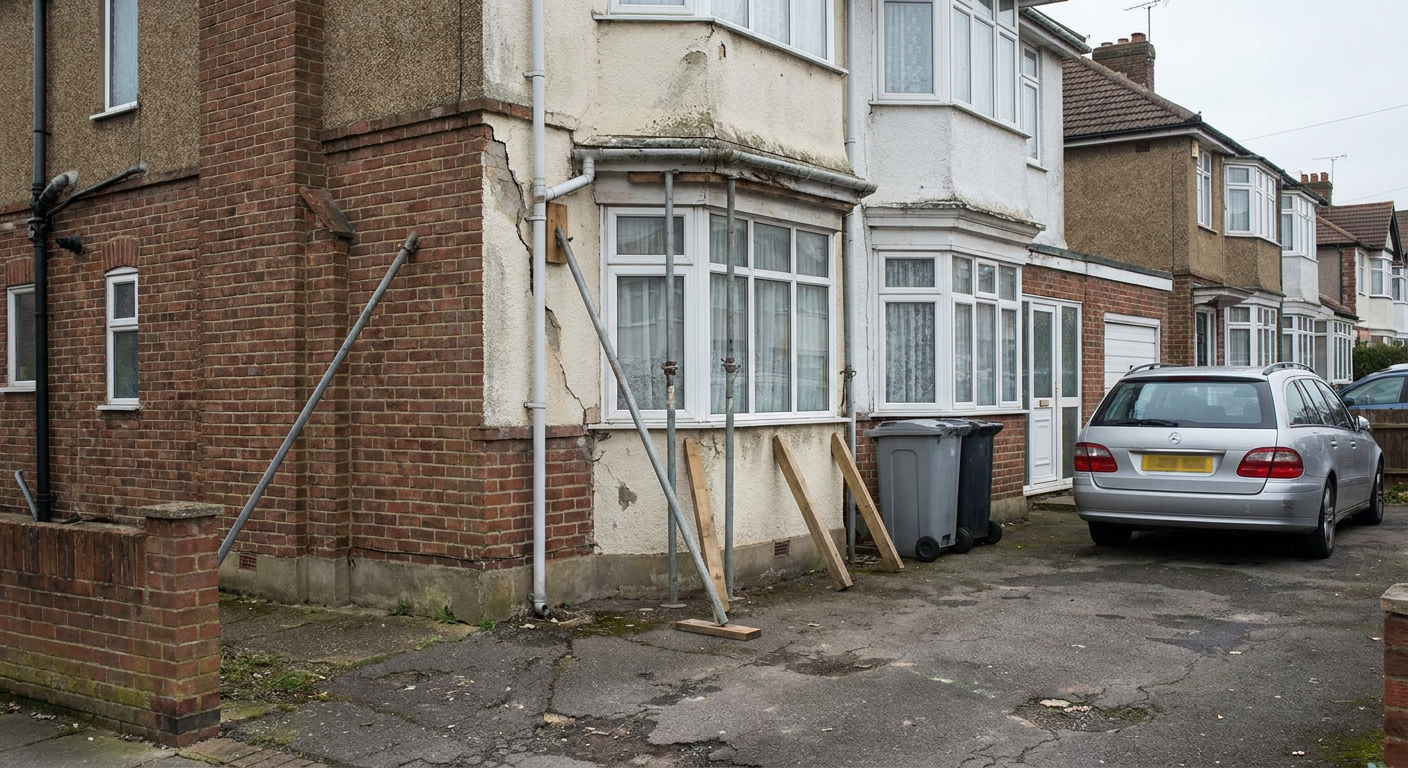
Tree-related subsidence happens when roots dry out the clay beneath a foundation unevenly. The resulting movement shows up as specific types of cracking and distortion around the house.
- 1
Diagonal cracks near windows
Cracks running diagonally from window corners, wider at the top, often appear on the wall closest to a large tree as the ground shrinks beneath it.
- 2
Doors catching on frames
A door that sticks in summer but swings freely in winter suggests seasonal movement, which points to a tree drawing moisture from the clay during dry months.
- 3
Gaps around skirting boards
Floors dropping away from walls leave visible gaps along the skirting. This can happen when roots dry the soil under one section of the house.
- 4
Cracks reopening after repair
Plaster filled and painted over that splits again along the same line indicates ongoing movement, possibly driven by a tree that remains active nearby.
Questions about trees and subsidence
The street lime outside my Croydon house is close to the front wall, is that a risk?
Limes are moderate water users, but on London Clay even moderate extraction matters if the tree stands within ten metres. A specialist firm will dig trial holes to check for roots and measure soil moisture before confirming whether the lime is involved.
How far from the house should a mature oak be?
There is no single safe distance because it depends on the oak's height, the clay depth, and local drainage. Specialists typically investigate any mature oak within fifteen metres of a building showing signs of movement.
Which trees draw the most water out of clay soil?
Poplars, oaks and willows extract the highest volumes. In Croydon, Lombardy poplars and mature English oaks are the species most frequently associated with subsidence claims because of their extensive root networks.
If I cut down the poplar in my back garden could the ground lift and cause heave?
Yes. Removing a thirsty poplar allows the clay to reabsorb water and swell. A specialist firm monitors the ground before and after any removal to manage the risk of heave, sometimes recommending gradual reduction instead of felling.
The tree I am worried about may have a preservation order, what can I do?
A specialist checks the council register. If an order exists, they compile structural evidence and submit an application to the planning authority on your behalf. No work proceeds without formal written consent.
Can roots be removed or a barrier installed instead of felling?
Often yes. Root barriers deflect growth away from foundations, and targeted root pruning removes specific offending roots. Both require an arboricultural assessment to ensure the tree stays stable and healthy afterward.
How do I prove the cracking is caused by a tree and not something else?
A specialist firm uses level monitoring, soil analysis and root identification. They track crack width changes across seasons. If cracks widen in summer when trees transpire most and narrow in winter, the evidence points strongly toward tree involvement.
Who decides whether a council street tree gets pruned or taken out?
The local authority owns street trees. A specialist submits findings to the council's tree officer, who reviews the structural evidence. The council makes the final decision based on both the engineering reports and the tree's public value.
Describe the tree near your home
Tell us where the tree is and what cracks you have seen. The details go to a specialist firm who deals with subsidence in Croydon. Sending an enquiry does not commit you to any work or cost.
- No obligation to proceed
- Free initial assessment
- Local Croydon knowledge