
Croydon clay soil
Why clay soil subsidence affects Croydon houses
Describe the cracks you see and where your home sits in Croydon. A specialist firm will read the details and tell you whether the ground needs investigating, at no cost to you.
Why Croydon clay causes foundations to move
Croydon sits across two very different types of ground. The northern half, including Thornton Heath, Norbury and Addiscombe, rests on London Clay. The southern areas around Sanderstead, Kenley and Coulsdon sit on chalk covered by a layer known as clay-with-flints. Both contain shrinkable clay that changes volume as the weather turns.
London Clay is notorious for swelling when wet and shrinking hard during dry spells. Houses built on it often show seasonal cracks that open each summer and close again in winter. That repeated movement tires the brickwork over time. Clay-with-flints behaves similarly but tends to hold more water, so drainage problems can make things worse on the downs.
If you are trying to work out whether your part of Croydon sits on London Clay or chalk, the quickest route is a desk study. A specialist geotechnical firm checks published geological maps against the exact address. Soil testing for subsidence then confirms what the map suggests by taking physical samples from the ground beneath your home.
How shrinkable clay damages walls and floors
Shrinkable clay foundations in Croydon move because the soil loses moisture. Tree roots cracking walls is one of the most common triggers. A mature oak or poplar can pull thousands of litres of water from the ground each summer. If those roots reach the clay beneath your footings, the soil contracts and the foundation drops.
The damage rarely happens all at once. You might notice a hairline crack above a window frame one August. By the following spring it closes almost completely. But the next dry summer it opens wider than before. This cycle is what separates clay movement from simple settlement. Settlement happens once and stops. Clay shrinkage repeats every year the weather stays dry.
Leaking drains wash fine particles out of the ground too, but they leave the soil permanently weakened rather than seasonally active. A drain CCTV survey lets a specialist plumbing firm see whether a fractured pipe is feeding water into the clay or washing support away from it entirely.
What a specialist takes from the ground
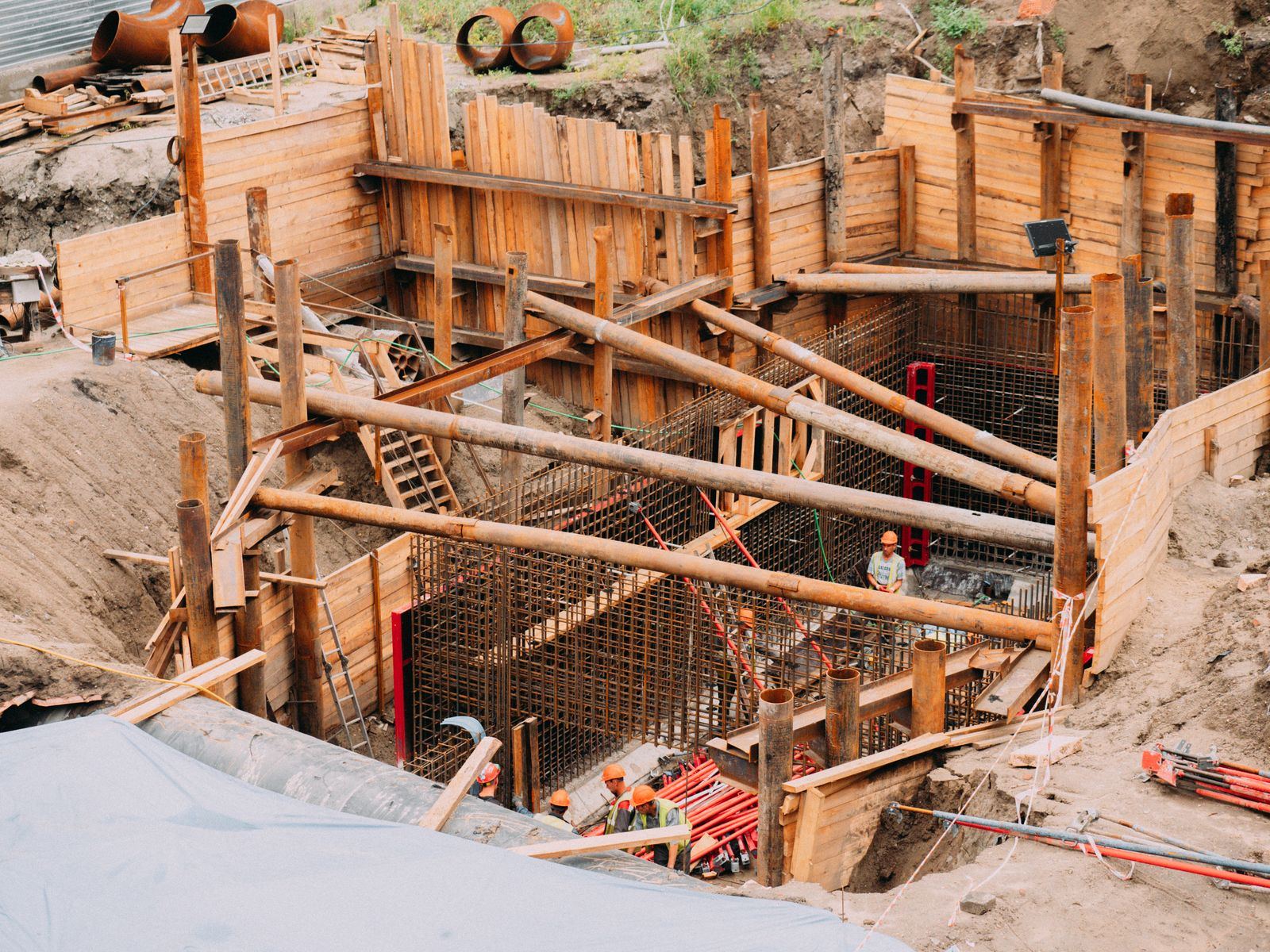
To prove that clay shrinkage is behind the damage, a specialist geotechnical firm drills boreholes beside the affected wall. They extract continuous cores of soil, usually going down three to five metres. In parts of Croydon with deeper fill or made ground, they may need to go further.
Each core goes to a laboratory. Technicians measure the moisture content at different depths and run plasticity tests to confirm how much the clay can shrink. They also look for root fragments, which tell them whether a nearby tree is drawing water from the foundation zone. The combination of low moisture readings and high plasticity points directly to clay-related movement.
Homeowners often worry about the mess. The drilling rig is small enough to fit through a standard garden gate. The firm reinstates the lawn or driveway surface after taking the samples. The whole process usually finishes within a single day for a standard house, leaving clear evidence of what the ground is doing beneath the building.
Trees, drains and other local factors
A large tree near the house does not always mean trouble, but its species and distance matter. Willows, poplars and oaks are heavy drinkers. A specialist arboricultural firm can assess whether the tree at the end of your garden is pulling moisture from the clay under your footings. Sometimes pruning or installing a root barrier solves the problem without felling the tree.
Drains are the other big factor in Croydon. Older clay pipes fracture as the ground moves, and the leak then softens the soil further. That creates a feedback loop where movement causes leaks and leaks cause more movement. A specialist drainage firm uses camera equipment to trace the pipework and spot fractures hidden underground.
Extensions and bay windows are especially vulnerable because their foundations are often shallower than the main house. Where an extension meets the original wall, differential movement shows up as a vertical crack that widens at the top. Garden walls, which lack deep footings, lean or split along mortar lines for the same reason.
Repair options once the cause is confirmed
Once the soil samples and surveys point to clay shrinkage, the next step depends on how far the movement has gone. If the problem is seasonal and the cracks stay narrow, monitoring over twelve months might be enough. A specialist structural engineer reviews the pattern before recommending any groundworks.
Where the foundation needs permanent support, a specialist underpinning firm excavates below the existing footings and pours new concrete in controlled stages. In some Croydon streets, resin injection offers a faster alternative. A specialist contractor pumps expanding structural resin into the ground to compact loose soil and lift settled sections back toward level.
On sites where the clay is very deep or highly active, screw piling reaches past the shrinkable layer entirely. A specialist piling firm drives steel helical piles down to stable strata, then brackets the existing foundation to them. Each method suits different ground conditions, so the choice follows the evidence from the boreholes and surveys rather than preference.
Cracks that follow the seasons in your home
Shrinkable clay swells in wet weather and contracts when it dries out. That movement pulls at the foundations, and the walls above them crack in patterns that change with the calendar.
- 1
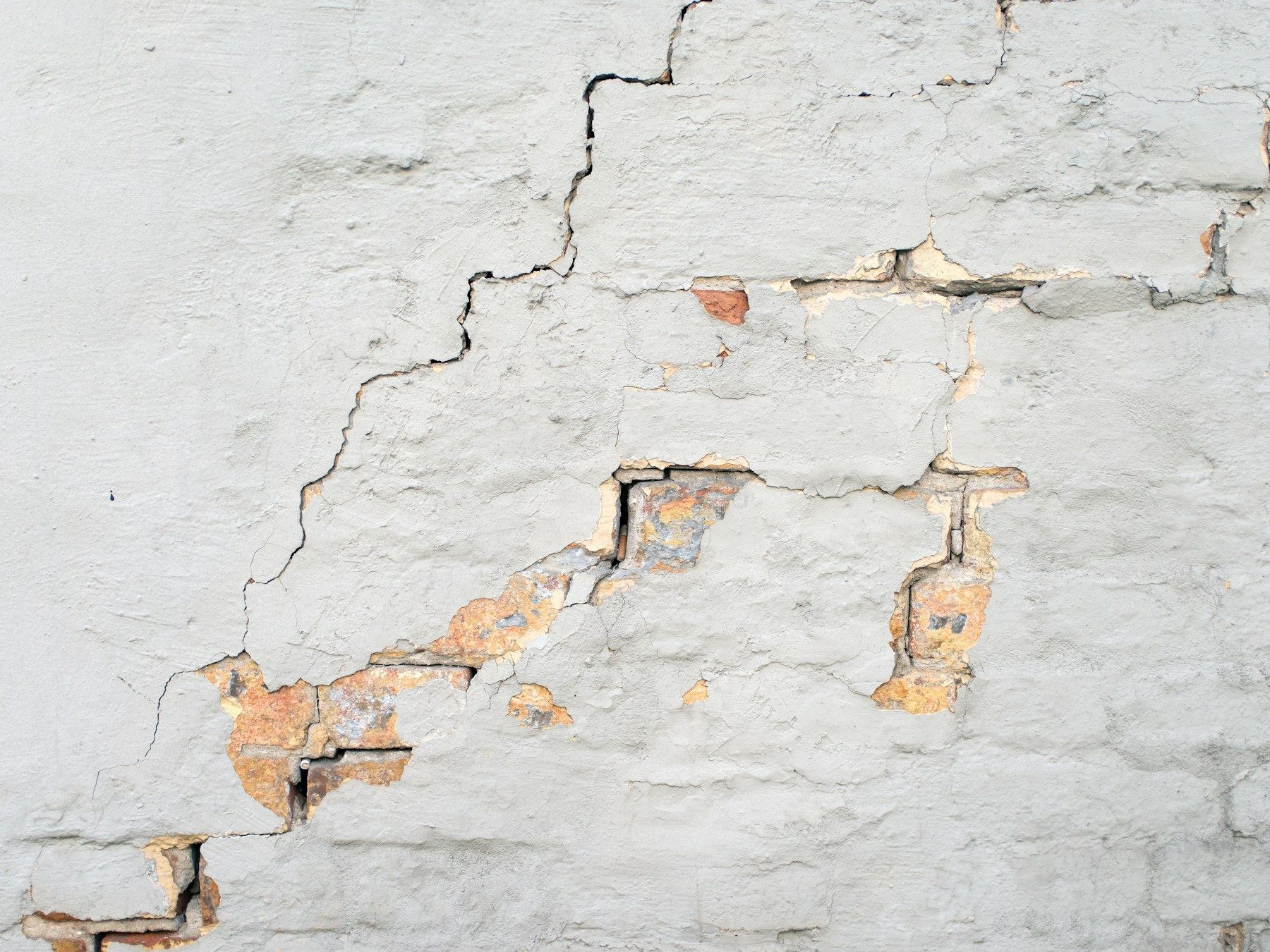
Cracks that open and close
Gaps in plaster or brickwork that widen in late summer and narrow after autumn rain suggest the ground beneath is shrinking and swelling with moisture changes.
- 2
Diagonal cracks near corners
A crack running at an angle from the corner of a window or door frame often points to one section of footing dropping lower than the rest.

- 3
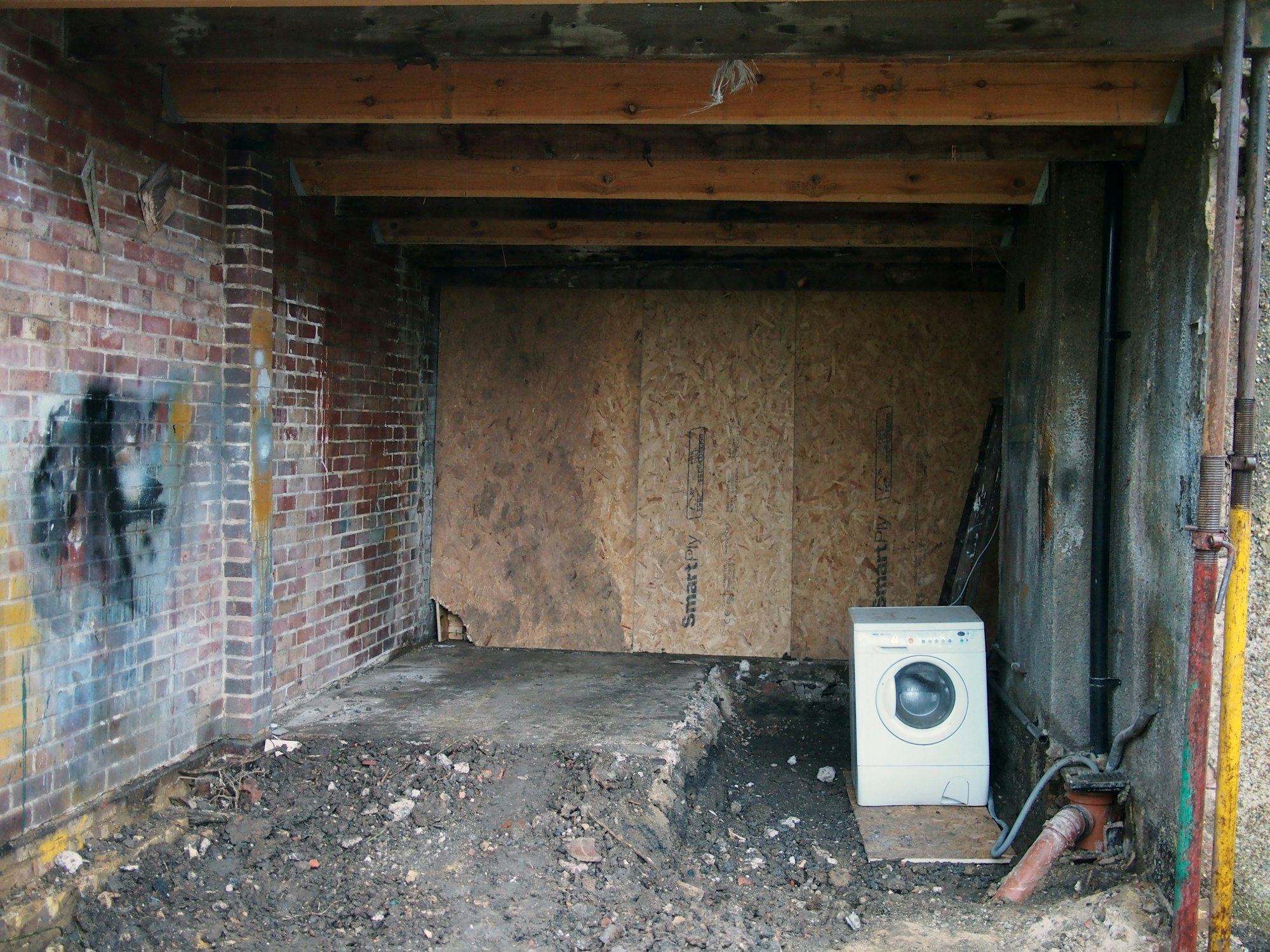
Doors catching on frames
A door that sticks in August but swings freely by December means the frame has distorted slightly as the wall moved with the soil.
- 4
Skirting boards pulling away
A visible gap between the skirting and the wall, especially on an outside wall, can indicate the floor has dropped relative to the masonry.
Questions about clay and subsidence in Croydon
These cover the ground conditions and signs people in Croydon ask about most. Send a description of your home for anything else. Ask about your home.
- How do I find out whether my part of Croydon is London Clay or chalk?
- A specialist geotechnical firm runs a desk study using British Geological Survey maps for your exact postcode. Northern Croydon mostly sits on London Clay, while the southern downs rest on chalk with clay-with-flints. The study takes a few days and tells you what to expect before anyone digs.
- My cracks open every dry summer and close again in winter, is that still subsidence?
- Yes. Seasonal cracks that open in summer and close in winter are a hallmark of shrinkable clay movement. Each cycle stresses the brickwork. A specialist structural engineer monitors the width over twelve months to determine whether the movement is progressive or stable.
- Does the oak tree at the end of the garden need to come down?
- Not necessarily. A specialist arboricultural firm measures the distance between the trunk and your foundations, identifies the species and checks soil moisture loss. Oaks draw significant water, but root barriers or crown reduction sometimes manage the risk without removing the tree entirely.
- What does a specialist sample from the ground to prove clay shrinkage?
- A specialist geotechnical firm drills boreholes and extracts continuous soil cores, typically three to five metres deep. Laboratory tests measure moisture content at each depth and the clay plasticity index. Low moisture combined with high plasticity confirms shrinkable clay is active beneath the foundations.
- How deep do boreholes go and will they wreck my lawn or driveway?
- Boreholes for a standard house usually reach three to five metres. The drilling rig fits through a garden gate, and a specialist firm reinstates turf or paving after sampling. The work normally takes one day and leaves minimal surface disruption.
- If it is seasonal clay movement, does that mean no underpinning is needed?
- Seasonal movement does not automatically require underpinning. A specialist structural engineer assesses crack widths, monitoring data and soil reports first. Narrow, stable cracks might only need cosmetic repair. Progressive movement usually leads to a recommendation for underpinning, resin injection or screw piling.
- Will my insurer treat clay shrinkage differently from a leaking drain?
- Buildings insurers handle both, but the investigation differs. Clay shrinkage requires soil testing and possibly tree assessment, while a leaking drain prompts a CCTV survey first. A specialist loss adjuster reviews the evidence to determine the primary cause before approving repair costs.
- Should I wait until next summer to see if the cracks come back?
- Waiting risks letting progressive movement worsen. Note the current crack widths with dates and photographs now. A specialist surveyor can start a desk study and arrange monitoring immediately, so you have data ready when the next dry spell arrives rather than starting from scratch.
Tell someone about the cracks in your home
Write down what you have noticed and where your home sits in Croydon. A specialist firm reads the details and advises whether the ground needs testing. There is no charge for this and no obligation to proceed.
- No fee for advice
- No obligation to proceed
- Local specialists respond